Reviews are independent. Prices are indicative (SGD) and change often — always check the latest price before buying. We may earn a commission from some links.
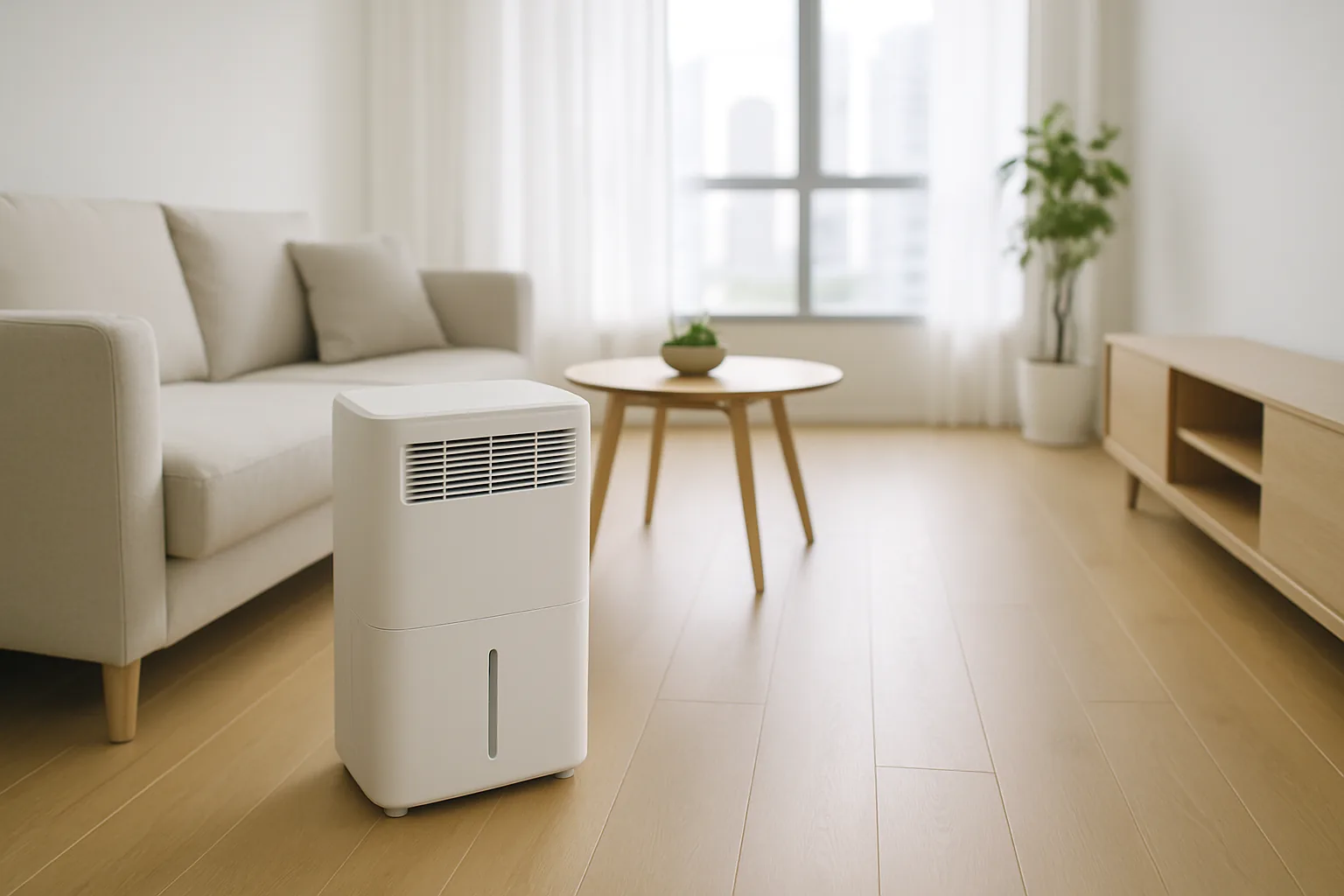
Wondering whether a dehumidifier is useful in Singapore? The short answer is yes — with average relative humidity often sitting around 80% and frequently higher after rain, a dehumidifier is one of the most practical home appliances you can own here, tackling mould, musty smells, damp laundry and clammy rooms that aircon alone does not fully fix. This guide explains exactly where a dehumidifier helps in Singapore homes, when it is genuinely worth the cost and running expense, and recommends real models available locally for different needs and budgets.
We wrote this for HDB and condo dwellers deciding if a dehumidifier is worth buying, and which type suits them — from whole-room compressor units to quiet desiccant models and mini wardrobe dehumidifiers. The honest answer for most homes is that it depends on where you live and what you are trying to protect, since a breezy high-floor unit has very different needs from a shaded ground-floor flat prone to mould. We also explain the difference a dehumidifier makes versus simply running the aircon, because the two are not interchangeable for controlling humidity. We judged recommendations on extraction rate, tank size, energy use, noise and SGD value from local sellers. Prices change often during sales, so treat all figures as indicative ranges and check the latest price before buying.
What to look for in Singapore
- Extraction rate (litres/day) matched to your space — a bedroom needs far less than an open living-dining area.
- Room size rating so the unit can actually pull our high humidity down to a comfortable 50–60%.
- Continuous drainage option so you are not emptying a full tank several times a day in the wet season.
- Laundry or dry mode, since indoor drying is common in HDB flats and this speeds it up while cutting damp smells.
- Energy efficiency and a good tick rating, because a dehumidifier may run for hours daily and affects your bill.
- Noise level low enough for bedroom use overnight.
- A quiet desiccant type for cooler comfort, or a compressor type for higher extraction in warm rooms.
- For cupboards and wardrobes, a compact mini dehumidifier or rechargeable moisture absorber rather than a full unit.
At a glance
| Model | Best for | Key spec | Indicative price | Rating |
|---|---|---|---|---|
| Novita dehumidifier (compressor) — Editor’s Choice | Whole-room damp control | Higher extraction, laundry mode | $300–$600 | ★★★★★ |
| Sterra dehumidifier — Best Value | Bedrooms and study | Compact, quiet, app models | $200–$400 | ★★★★☆ |
| LG / Europace dehumidifier — Everyday pick | General home use | Good extraction, energy tick | $250–$500 | ★★★★☆ |
| Mini/wardrobe dehumidifier — Cupboards | Closets and shoe cabinets | Compact, low draw or rechargeable | $30–$120 | ★★★★☆ |
The picks
Editor’s Choice
Novita dehumidifier (compressor series)
Novita is a trusted Singapore name for dehumidifiers, and its compressor models offer strong extraction that genuinely brings down humidity in living rooms and larger bedrooms. Features like laundry mode and continuous drainage make it practical for our wet season. Best for households wanting reliable whole-room damp and mould control from a well-supported local brand.
Pros
- Strong daily extraction
- Laundry mode and continuous drainage
- Trusted local brand and service
Cons
- Compressor units can be noisier
- Larger footprint
Best Value
Sterra dehumidifier
Sterra offers compact, quieter dehumidifiers popular for bedrooms and studies, often with app control and a clean design at a friendly price. Extraction suits smaller enclosed rooms rather than open living areas. Best for value-focused buyers cooling humidity in a single room.
Pros
- Affordable and compact
- Quiet enough for bedrooms
- App-enabled models available
Cons
- Lower extraction than big compressors
- Not ideal for large open spaces
Everyday pick
LG or Europace dehumidifier
Mainstream brands like LG and local value maker Europace cover general home dehumidifying with solid extraction and reasonable energy ratings. They are widely stocked and easy to service. Best for buyers who want a dependable mid-range unit without overthinking it.
Pros
- Widely available
- Balanced extraction and efficiency
- Range of sizes and budgets
Cons
- Features vary by model
- Higher-extraction units cost more
Best for cupboards
Mini / wardrobe dehumidifier
For wardrobes, shoe cabinets and storerooms, a compact Peltier mini dehumidifier or a rechargeable moisture absorber keeps enclosed spaces dry and protects clothes, leather and electronics from mould. They are cheap and quiet. Best as a targeted add-on alongside a main unit.
Pros
- Cheap and silent
- Perfect for enclosed cupboards
- Rechargeable options need no drainage
Cons
- Tiny capacity
- Not for whole rooms
The verdict
A dehumidifier is genuinely useful in Singapore’s humid climate — a Novita compressor unit is our top pick for whole-room control, while a mini wardrobe dehumidifier is a cheap, worthwhile add-on for cupboards. Size the unit to your space, aim for 50 to 60 per cent humidity, and you will notice fewer musty smells, less mould and better-protected clothes and electronics.
Frequently asked questions
Is a dehumidifier really necessary in Singapore?
For many homes, yes. With humidity often around 80%, dehumidifiers help prevent mould, musty smells and damp-related damage to clothes, walls and electronics — issues aircon alone does not fully solve, especially in ground-floor or poorly ventilated flats.
Does aircon do the same job as a dehumidifier?
Aircon removes some moisture while cooling, but a dehumidifier is more effective at actively lowering humidity without over-cooling, and it works in rooms where you do not want the aircon running all day, like a wardrobe area or during laundry drying.
How much does it cost to run a dehumidifier in Singapore?
Running cost depends on wattage and hours used, but an energy-efficient unit run a few hours a day adds a modest amount to your bill. Choosing a model with a good energy tick and a humidistat that switches off at target humidity keeps costs down.
Where should I use a dehumidifier in an HDB flat?
Bedrooms, wardrobes, storerooms and areas where you dry laundry indoors benefit most. Ground-floor units and rooms prone to mould on walls or ceilings are prime spots, as are enclosed cupboards where a mini dehumidifier works well.
What humidity level should I aim for?
Aim for around 50–60% relative humidity — comfortable and low enough to discourage mould and dust mites without making the air feel too dry. Many dehumidifiers let you set a target and switch off automatically.
Related guides
- More Home Cleaning guides
- Best Closet Dehumidifier in Singapore
- Best Delonghi Dehumidifier in Singapore
Planning a smarter home?
Tell us your space and budget — we’ll point you to the right devices, or connect you with a supplier.