Reviews are independent. Prices are indicative (SGD) and change often — always check the latest price before buying. We may earn a commission from some links.
The Xiaomi smart home ecosystem is one of the most complete and affordable ways for Singapore households to connect their whole flat, spanning sensors, cameras, lights, plugs, purifiers, robot vacuums and locks that all live in a single Mi Home (Xiaomi Home) app. Its huge device catalogue and multi-protocol hubs make it easy to start small and grow, and because Aqara devices also work within this world, you can mix in premium sensors and locks without leaving the ecosystem.
This guide is for Singapore homeowners deciding whether to build their connected home around Xiaomi, and which pieces to buy first. We picked the core components that make a Xiaomi ecosystem sing — the hub, sensors, cameras and everyday devices — and judged them on local availability, integration, value in SGD and how well they play with Google Home. Prices are indicative ranges that shift with promotions, so check the latest price and always buy the Singapore or global set for local warranty and English firmware.
What to look for in Singapore
- Start with a multi-protocol hub like the Xiaomi Smart Home Hub, which bridges Zigbee, Bluetooth mesh and Thread devices into Mi Home.
- Confirm you’re buying Singapore or global sets, as some China-market devices are region-locked or ship with Chinese-only firmware.
- Check Google Home and Alexa integration for the specific devices you want, since support varies across the catalogue.
- Prioritise low-power Zigbee sensors on the hub for long battery life, keeping Wi-Fi for cameras and plugs.
- Consider Aqara devices, which work within Mi Home and add premium sensors, panels and locks with Apple Home support.
- Match devices to SG living — humidity and temperature sensors, air purifiers for haze season, and robot vacuums for HDB layouts.
- Plan for scale, choosing a hub and network that can handle dozens of devices without slowing your Wi-Fi.
- Buy from Xiaomi’s official Shopee and Lazada stores or authorised Mi retailers for warranty and support.
At a glance
| Model | Best for | Key spec | Indicative price | Rating |
|---|---|---|---|---|
| Xiaomi Smart Home Hub (multi-protocol) — backbone | Ecosystem backbone | Zigbee/BLE/Thread gateway for Mi Home | $50–$110 | ★★★★★ |
| Aqara sensors & panels (Mi Home compatible) — premium add-ons | Premium sensors | Zigbee/Matter, Apple Home support | $25–$260 each | ★★★★☆ |
| Xiaomi Smart Camera / security cam — monitoring | Home monitoring | Wi-Fi pan-tilt cam, microSD, night vision | $40–$120 | ★★★★☆ |
| Xiaomi robot vacuum / air purifier — everyday devices | Everyday value | Mi Home controlled cleaning & air care | $150–$800 | ★★★★☆ |
The picks
Editor’s Choice
Xiaomi Smart Home Hub (multi-protocol)
The Xiaomi Smart Home Hub is the essential starting point for the ecosystem, bridging Zigbee, Bluetooth mesh and Thread devices into Mi Home so your sensors, buttons and lights all work together and keep running locally if the internet drops. Everything else you add plugs into this backbone, making it the first thing to buy.
Pros
- Bridges Zigbee, BLE mesh and Thread devices
- Enables reliable local automations
- Cheap, small and easy to place near the router
Cons
- No screen or standalone controls
- Some advanced features favour Xiaomi’s own devices
Premium add-ons
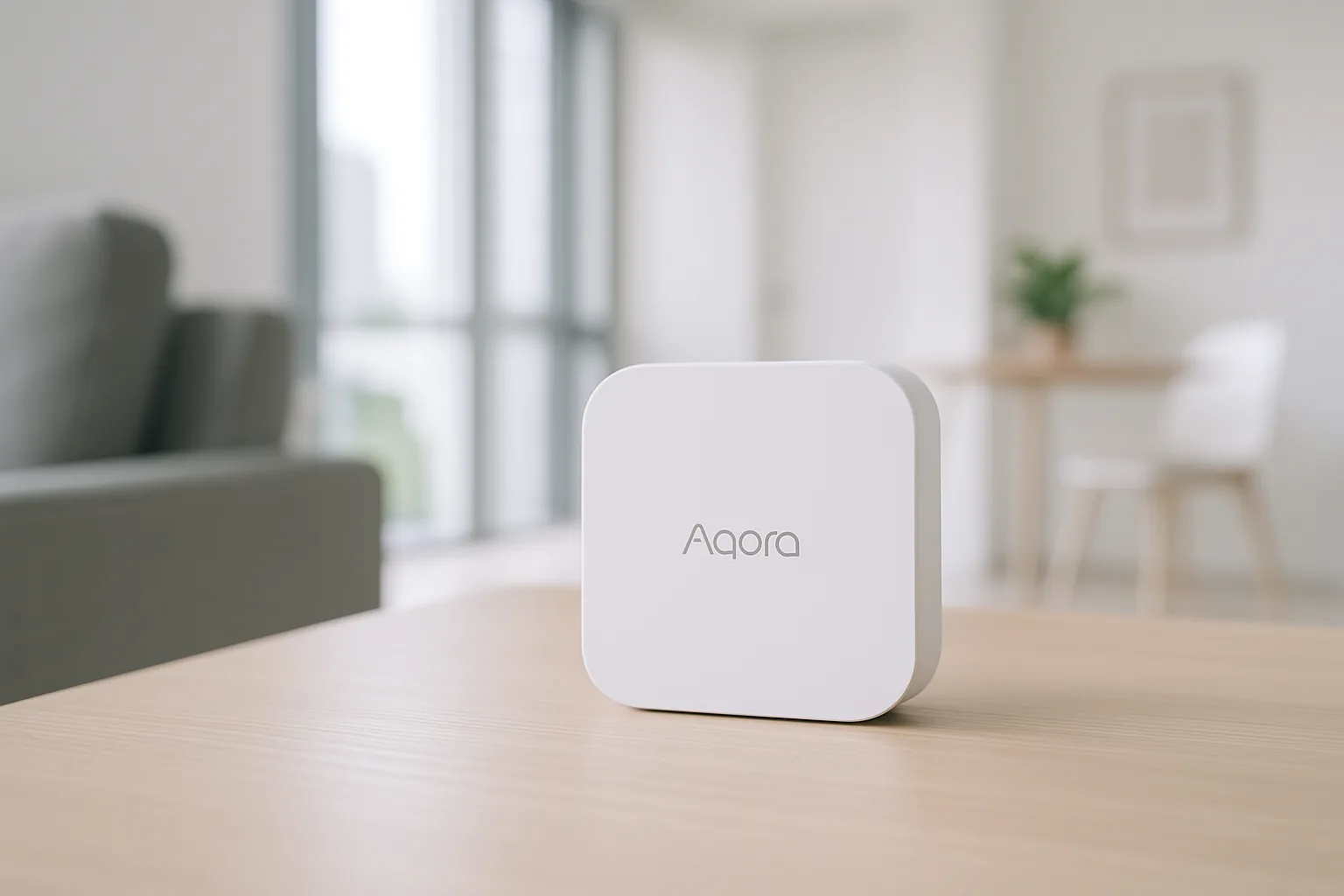
Aqara sensors & panels
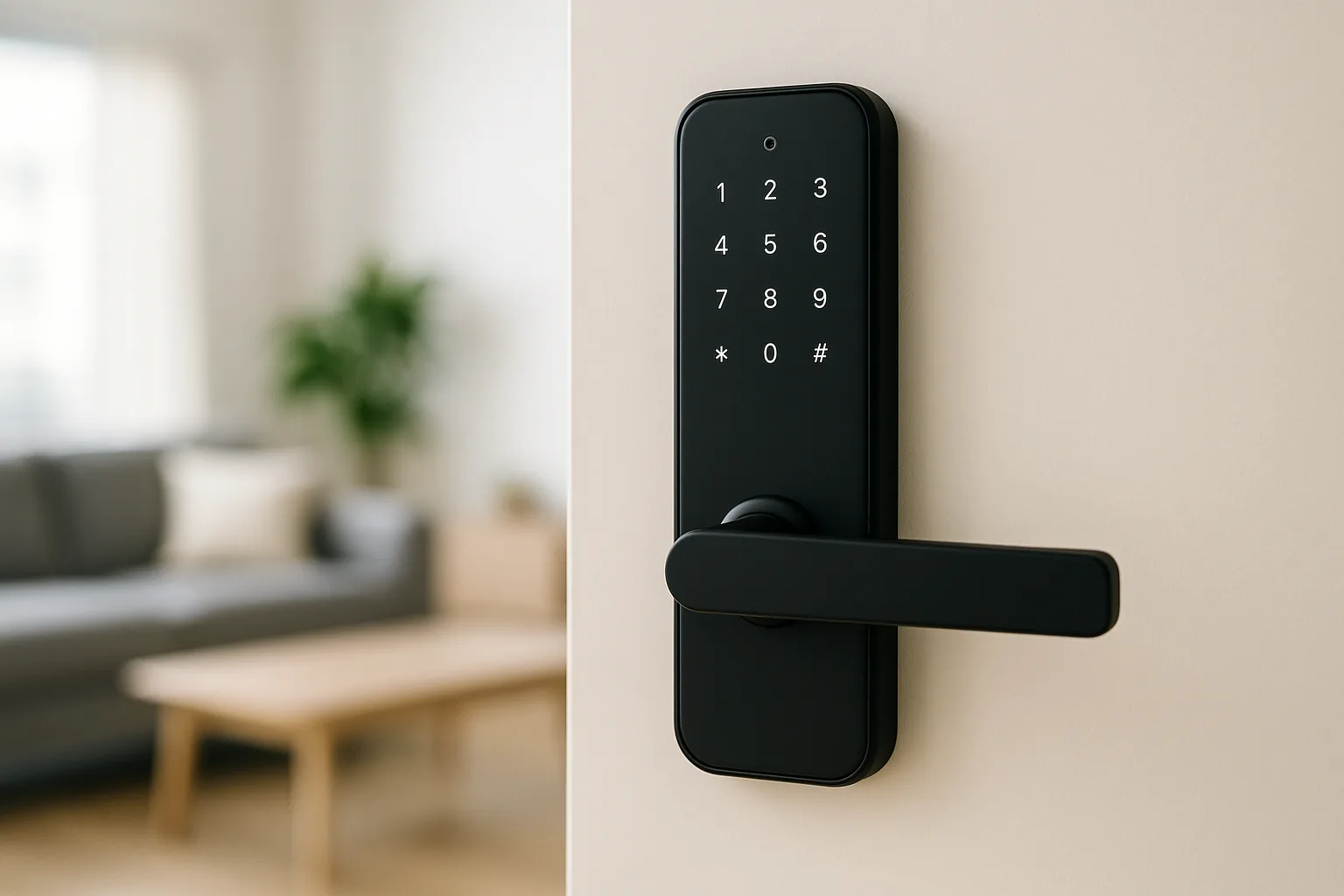
Aqara devices work within the Xiaomi world while adding premium door, motion, temperature and leak sensors, wall panels and locks, plus native Apple Home support. They are the best way to raise the quality ceiling of a Xiaomi ecosystem without switching platforms, ideal for HomeKit households.
Pros
- Premium sensors and panels that fit Mi Home
- Native Apple Home and Matter support
- Great reliability and build quality
Cons
- Pricier than basic Xiaomi sensors
- Best paired with an Aqara or Xiaomi hub
Best for monitoring
Xiaomi Smart Camera
Xiaomi’s Wi-Fi cameras add affordable monitoring to the ecosystem, with pan-tilt coverage, night vision and local microSD recording that avoids subscription lock-in. They are a strong value pick for watching the front hall, kids, pets or the helper within the same Mi Home app.
Pros
- Affordable pan-tilt monitoring
- Local microSD recording option
- Runs in the same Mi Home app
Cons
- Cloud storage may need a plan
- Mind placement and privacy in shared spaces
Everyday value
Xiaomi robot vacuum / air purifier
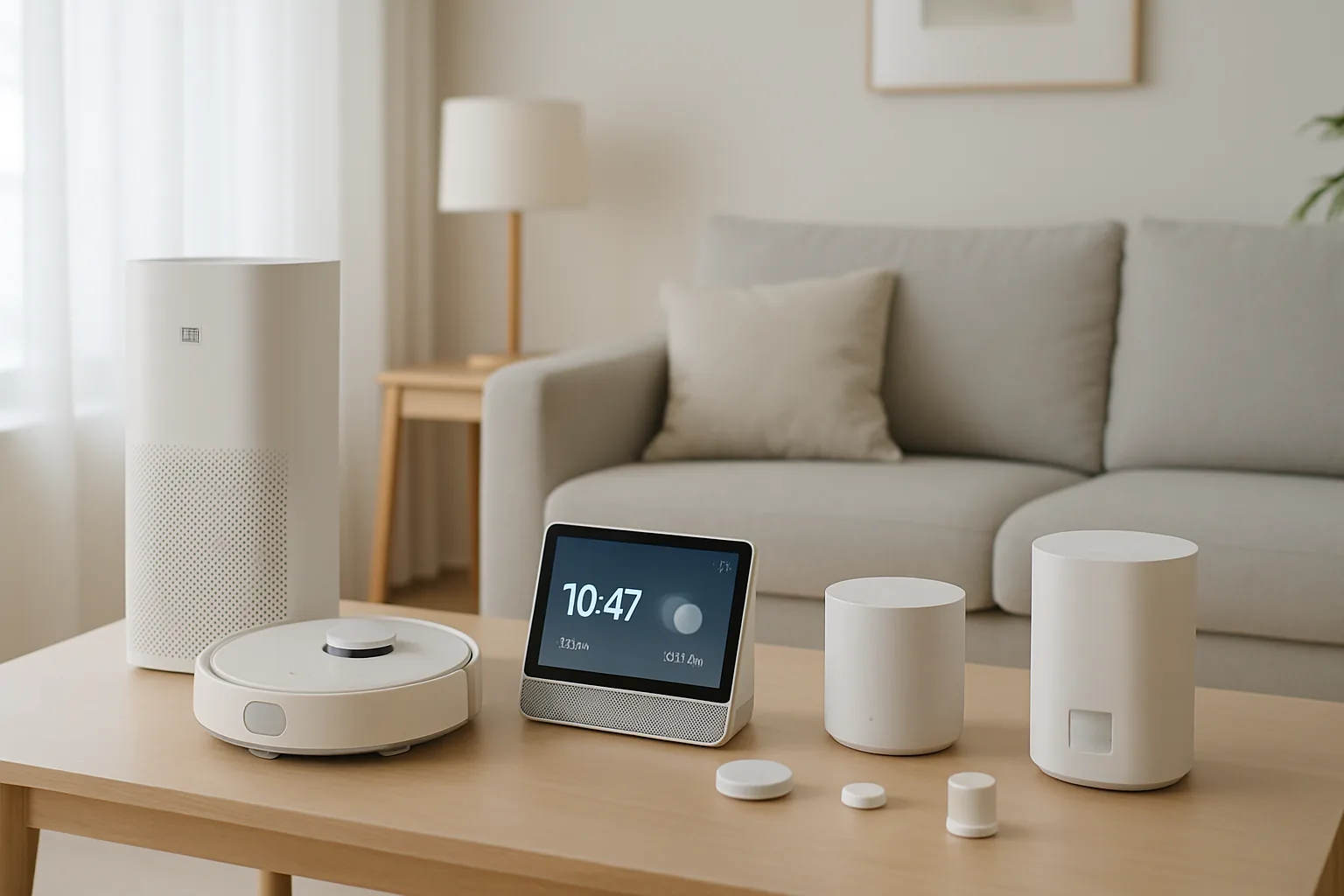
Xiaomi’s robot vacuums and air purifiers are where the ecosystem pays off daily, cleaning HDB and condo floors on a schedule and clearing haze-season air, all controlled and automated in Mi Home. They turn the ecosystem from a hobby into genuine everyday convenience.
Pros
- Real daily value for cleaning and air care
- Scheduling and automation via Mi Home
- Strong performance for the price
Cons
- Larger upfront cost than sensors
- Consumables like filters add running cost
The verdict
To build a Xiaomi smart home in Singapore, start with the Smart Home Hub as your backbone, add Aqara sensors for premium reliability and Apple Home, then grow into cameras, robot vacuums and air purifiers for real everyday value.
Frequently asked questions
What do I need to start a Xiaomi smart home?
Begin with a Xiaomi Smart Home Hub, which bridges low-power Zigbee and Thread devices into the Mi Home app, then add sensors, lights or a camera. From there you can expand into plugs, robot vacuums and air purifiers as your needs and budget grow.
Do Aqara devices work in the Xiaomi ecosystem?
Yes, many Aqara devices integrate with Mi Home, so you can mix Aqara’s premium sensors, panels and locks into a Xiaomi setup. Aqara also adds native Apple Home support, which is useful if your household uses both Xiaomi and HomeKit.
Is the Xiaomi ecosystem compatible with Google Home?
Much of it is, though support varies by device, so check each product before buying if voice control matters. Buying the Singapore or global set rather than a China-market unit gives you the best chance of smooth Google Home linking and English firmware.
Why should I buy the Singapore version of Xiaomi devices?
Singapore or global sets come with English firmware, the correct plug, and local warranty, and integrate more cleanly with an English Mi Home account and Google Home. China-market units can be region-locked, ship with 2-pin plugs, and are harder to service here.
Is a Xiaomi smart home good value in Singapore?
Yes — Xiaomi offers one of the widest device ranges at some of the lowest prices, so you can build a capable connected home for less than most rival ecosystems. The main trade-offs are variable Google and Apple integration and the need to buy the right regional sets. For most Singapore households, the low cost of entry means you can trial a hub and a few sensors for the price of a single premium device, then expand only into the categories that prove genuinely useful.
Related guides
- More Smart Home guides
- Best Bosch Smart Home in Singapore
- Best Mitsubishi Aircon Smart Home in Singapore
Planning a smarter home?
Tell us your space and budget — we’ll point you to the right devices, or connect you with a supplier.