Reviews are independent. Prices are indicative (SGD) and change often — always check the latest price before buying. We may earn a commission from some links.
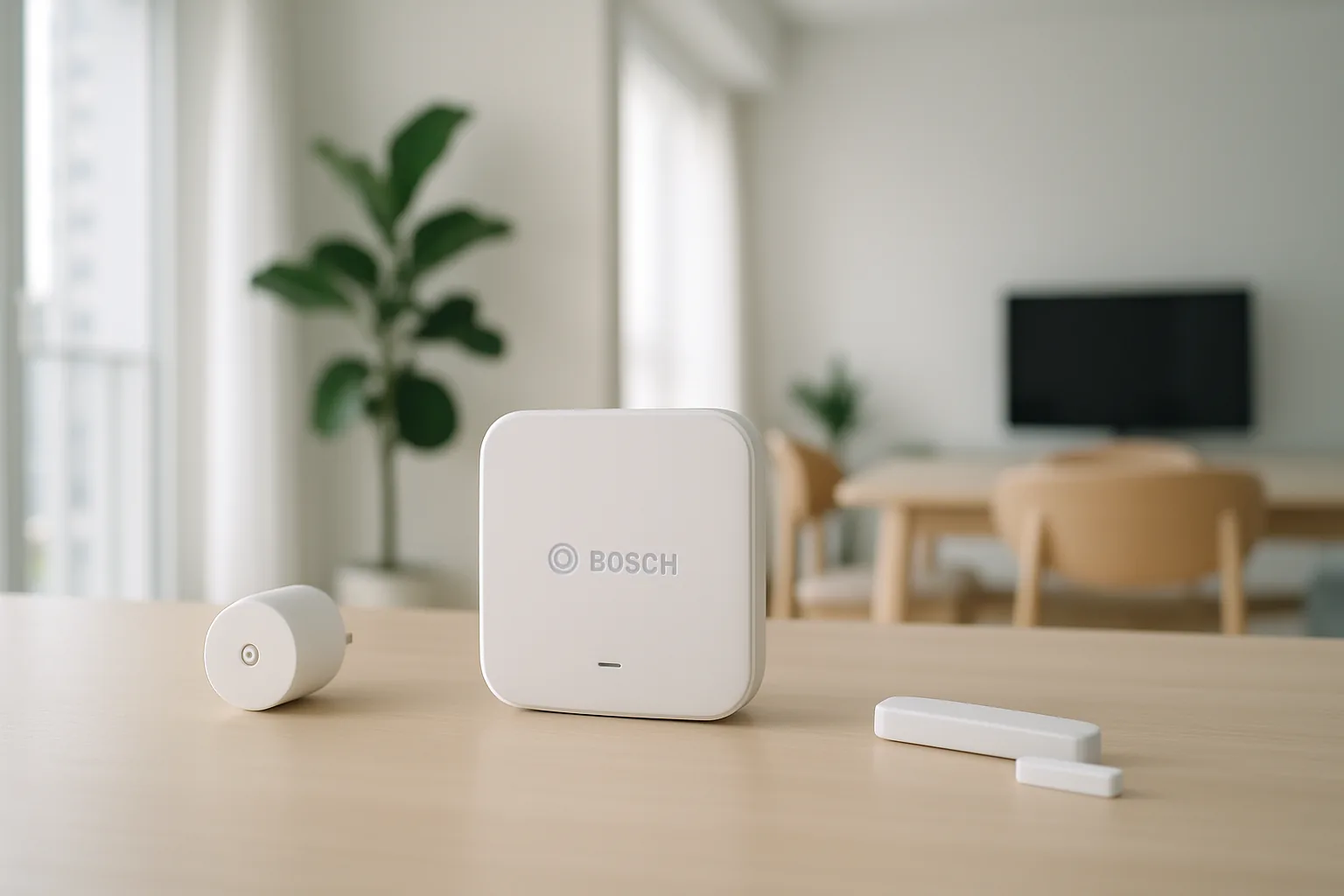
If you’re researching a Bosch smart home setup in Singapore, it’s worth knowing up front that Bosch Smart Home — the German ecosystem of sensors, cameras, plugs and thermostats built around the Bosch Controller hub — has only a limited, patchy presence here, without the broad local retail and support that the leading brands enjoy. So rather than build a guide around hardware you’ll struggle to buy and service locally, this compares the smart-home ecosystems that Singapore homeowners can actually buy today, warranty properly, and expand over time.
This guide is for Singapore homeowners attracted to Bosch’s reliability reputation who want a connected home that just works with local support. We shortlisted the ecosystems most widely sold and serviced in SG, judged them on device range, hub requirements, integration with Google Home and Apple Home, and value in SGD, and were honest about where Bosch does and doesn’t fit. Prices are indicative ranges and shift with promotions, so check the latest price before committing to a platform.
What to look for in Singapore
- Pick an ecosystem with wide local availability and warranty, since Bosch Smart Home’s limited SG presence makes servicing and expansion harder than the alternatives.
- Decide whether you want a hub-based Zigbee system for reliability or a hub-free Wi-Fi system for simplicity in a smaller flat.
- Check integration with Google Home, Apple Home or Alexa so all your devices answer to one app and voice assistant.
- Match the device range to your plans — sensors, cameras, plugs, lights and locks should all live in the same ecosystem to avoid app-juggling.
- Consider Matter support for future-proofing, so devices from different brands can work together as the standard matures.
- Factor in Singapore realities — humidity-tolerant sensors, cameras that handle bright HDB corridors, and plugs rated for local sockets.
- Look at how easily the system scales from a starter kit to a whole-flat setup without hitting device limits.
- Prefer brands with local sellers on Shopee, Lazada and physical stores for painless returns and support.
At a glance
| Model | Best for | Key spec | Indicative price | Rating |
|---|---|---|---|---|
| Aqara ecosystem (Hub M-series + sensors) — Zigbee backbone | Overall pick | Zigbee/Matter hub, huge sensor range, Apple/Google | $40–$600 to build | ★★★★★ |
| TP-Link Tapo ecosystem — hub-free value | Best value | Wi-Fi + H100 hub, plugs/cameras/bulbs/sensors | $20–$400 to build | ★★★★☆ |
| Xiaomi / Mi Home ecosystem — widest device range | Widest device range | Zigbee/BLE/Thread hub, vast catalogue | $40–$500 to build | ★★★★☆ |
| SwitchBot ecosystem — retrofit automation | Best for retrofits | Hub 2 + bots, curtains, sensors, IR control | $40–$400 to build | ★★★★☆ |
The picks
Editor’s Choice
Aqara ecosystem (Hub + sensors)
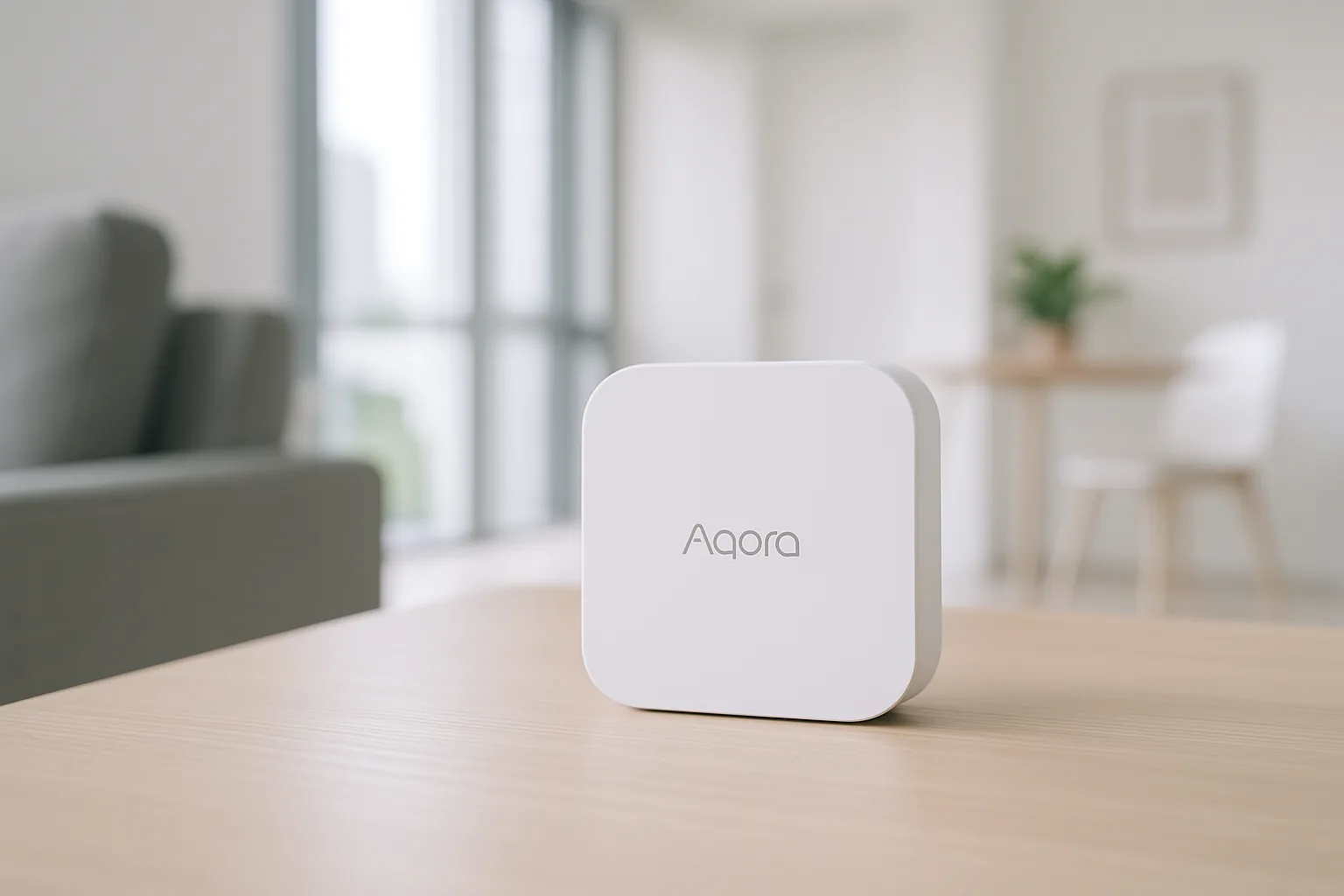
For owners who wanted Bosch-grade sensors and reliability, Aqara is the strongest locally available substitute: a Zigbee hub backbone, a huge range of door, motion, temperature and leak sensors, plus cameras and locks, and native Matter, Apple Home and Google Home support. It scales cleanly from a starter kit to a whole-flat system with solid SG availability.
Pros
- Vast sensor range with reliable Zigbee
- Native Matter, Apple Home and Google Home
- Scales from starter kit to whole flat
Cons
- Needs a hub for most devices
- Setup has a slight learning curve
Best Value
TP-Link Tapo ecosystem
Tapo is the value ecosystem that most Singapore homes start with, thanks to cheap Wi-Fi plugs, cameras and bulbs that need no hub, plus an H100 hub for low-power sensors when you grow. It is the easiest, most affordable path to a connected flat with strong local availability.
Pros
- Very affordable, hub-free entry
- Wide range of plugs, cameras, bulbs and sensors
- Simple app and Google/Alexa support
Cons
- No native Apple Home support
- Wi-Fi-only devices can crowd a small router
Widest device range
Xiaomi / Mi Home ecosystem
Xiaomi’s Mi Home platform has arguably the widest catalogue of any ecosystem sold here — sensors, cameras, purifiers, robot vacuums, lights and more — often at aggressive prices. It suits owners who want one app to run a huge variety of devices and don’t mind Xiaomi’s app-first approach.
Pros
- Enormous device catalogue at good prices
- Multi-protocol hubs (Zigbee/BLE/Thread)
- Great value across many categories
Cons
- Google/Apple integration varies by device set
- Some devices are region-locked, so buy SG/global sets
Best for retrofits
SwitchBot ecosystem
SwitchBot shines for renters and owners who can’t rewire, using clever bots to push physical switches, automate curtains, and control IR devices via the Hub 2. It is the pragmatic pick when you want automation layered onto an existing flat with minimal installation.
Pros
- Automates existing switches and curtains
- No rewiring, ideal for renters
- Hub 2 doubles as an IR and sensor hub
Cons
- Bot-based approach can feel piecemeal
- Best combined with another ecosystem for lighting
The verdict
With Bosch Smart Home barely present locally, Aqara is the best overall ecosystem for Singapore homes, with Tapo as the value starting point and Xiaomi for the widest device range.
Frequently asked questions
Is Bosch Smart Home available in Singapore?
Only in a limited, patchy way, without the broad retail and local warranty support that brands like Aqara, Tapo and Xiaomi enjoy here. For a system you can easily buy, service and expand, the ecosystems above are the practical choices for Singapore homes.
Which smart-home ecosystem is best for a HDB flat?
For most HDB flats, Aqara offers the best balance of reliable Zigbee sensors and ecosystem integration, while Tapo is the cheapest, simplest starting point. Both are widely available locally and scale as you add devices.
Do I need a hub for a smart home in Singapore?
It depends on the ecosystem. Wi-Fi devices like Tapo plugs and cameras need no hub, but low-power sensors and Zigbee devices from Aqara and Xiaomi need one for reliability and battery life. A hub also enables local automations that keep working if the internet drops.
Can I mix brands in one smart home?
Increasingly yes, thanks to Matter, which lets certified devices from different brands work together and appear in Apple Home or Google Home. Even so, it is smoother to build a core around one ecosystem and add compatible devices rather than mixing everything.
Which ecosystem works with Apple Home?
Aqara has strong native Apple Home support, and many of its devices work with HomeKit through its hubs and Matter. Tapo and Xiaomi lean towards Google and Alexa, so Apple-first households should look hardest at Aqara. If you own a mix of Apple and Android devices, prioritising an ecosystem with strong Matter support keeps your options open, since Matter-certified devices increasingly appear in both Apple Home and Google Home regardless of the brand.
Related guides
- More Smart Home guides
- Best Xiaomi Smart Home Ecosystem in Singapore
- Best Mitsubishi Aircon Smart Home in Singapore
Planning a smarter home?
Tell us your space and budget — we’ll point you to the right devices, or connect you with a supplier.