Reviews are independent. Prices are indicative (SGD) and change often — always check the latest price before buying. We may earn a commission from some links.
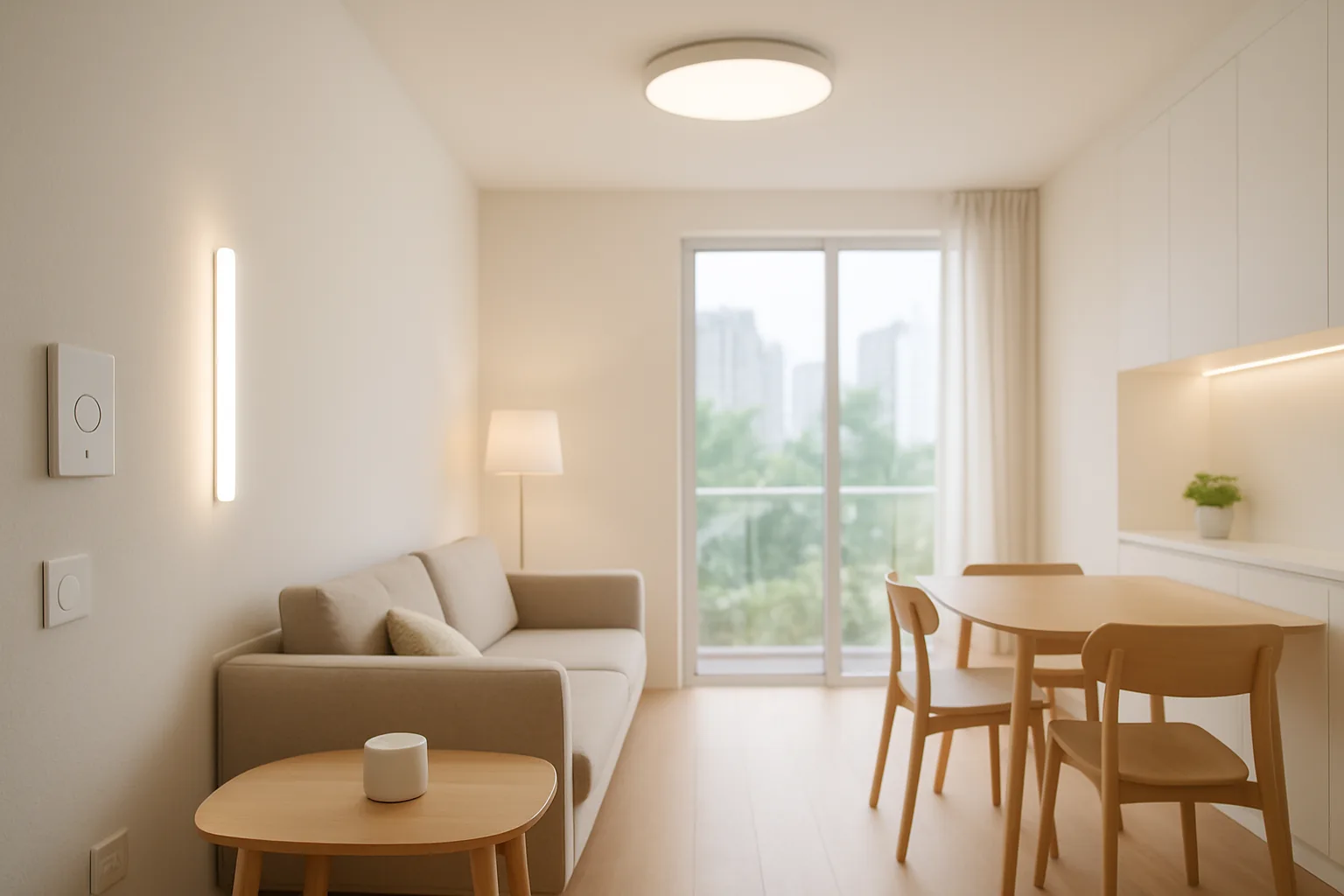
A smart lighting system for home use ties every bulb, strip and switch in your flat into one app and one voice assistant, so you can dim the whole living room, set a movie scene or have lights come on at sunset without touching a switch. In Singapore, where renovations often add downlights, cove lighting and feature walls, a proper system beats a random mix of bulbs because it stays reliable at scale and automates cleanly. This guide compares the real platforms you can buy and build on locally.
It is written for HDB and condo owners planning more than one or two smart bulbs — people who want scenes across several rooms, schedules while travelling, and voice control that actually works. We weighed reliability at whole-home scale, hub requirements, app quality, the breadth of bulbs and accessories, and how well each ties into Google or Alexa. We also explain when it is worth committing to one ecosystem versus mixing brands under a single voice assistant, since that decision shapes how smoothly your whole setup runs as it grows room by room. Prices are indicative SGD ranges and change with sales, so check the latest price before buying.
What to look for in Singapore
- Reliability at scale — a system that stays responsive with 20-plus bulbs matters far more than one clever feature.
- Whether it uses a dedicated hub (Zigbee systems like Hue and IKEA) or Wi-Fi, which affects stability in a bulb-heavy home.
- Breadth of the range — bulbs in E27, E14, GU10, plus light strips, downlights and switches — so one app covers everything.
- A capable app with scenes, schedules, geofencing and automations you will actually use.
- Smart switch options so wall switches do not cut power and disable smart bulbs — important for family homes.
- Voice compatibility with Google Assistant and Alexa, the common assistants in Singapore.
- Local availability of bulbs and spares so you can expand or replace parts easily over the years.
- Value across the whole home, since per-bulb price adds up fast when you are fitting every room.
At a glance
| Model | Best for | Key spec | Indicative price | Rating |
|---|---|---|---|---|
| Philips Hue system | Best overall | Zigbee hub, full range | $60 hub + $30–$80/bulb | ★★★★★ |
| IKEA DIRIGERA system | Best value | Zigbee hub, cheap bulbs | $60 hub + $12–$40/bulb | ★★★★½ |
| TP-Link Tapo (Wi-Fi) | No-hub simplicity | Wi-Fi, app scenes | $15–$40/device | ★★★★ |
| Aqara system | Automations / tinkerers | Zigbee hub, sensors | $40 hub + $20–$50/bulb | ★★★★ |
| Xiaomi / Yeelight | Budget colour | Wi-Fi, Mi Home | $15–$35/bulb | ★★★★ |
The picks
Editor’s Choice
Philips Hue system
Philips Hue is the platform to build a whole-home system on — the Zigbee Bridge stays rock-solid with dozens of lights, the app is the best in the business, and the range covers every base plus strips, downlights and switches. It costs the most, but for a home where lighting is a core feature it simply works and keeps working. This is the system to grow into over years.
Pros
- Most reliable at whole-home scale
- Best app, scenes and automations
- Widest range including switches
Cons
- Highest overall cost
- Best features need the Bridge
Best Value
IKEA DIRIGERA system
IKEA’s DIRIGERA hub with TRÅDFRI bulbs gives you Zigbee reliability across a whole flat at the lowest cost in Singapore, which is why it is the value champion. The app handles scenes, schedules and voice, and you can buy everything in one trip to IKEA. Ideal for kitting out every room without the Hue price tag.
Pros
- Lowest cost to cover a whole home
- Zigbee stability with a hub
- One-stop buying and support at IKEA SG
Cons
- App less advanced than Hue
- Smaller accessory range
Best no-hub option
TP-Link Tapo (Wi-Fi)
For a smaller flat or anyone who does not want a hub, a Tapo system built on Wi-Fi bulbs, plugs and switches is refreshingly simple and cheap. Everything joins the app and links to Google and Alexa. It is the easiest system to start and expand modestly, though very large all-Wi-Fi setups can strain a home router.
Pros
- No hub to buy or maintain
- Simple app, affordable devices
- Google/Alexa ready
Cons
- Wi-Fi congestion with many devices
- Fewer premium lighting products
Best for automations
Aqara system
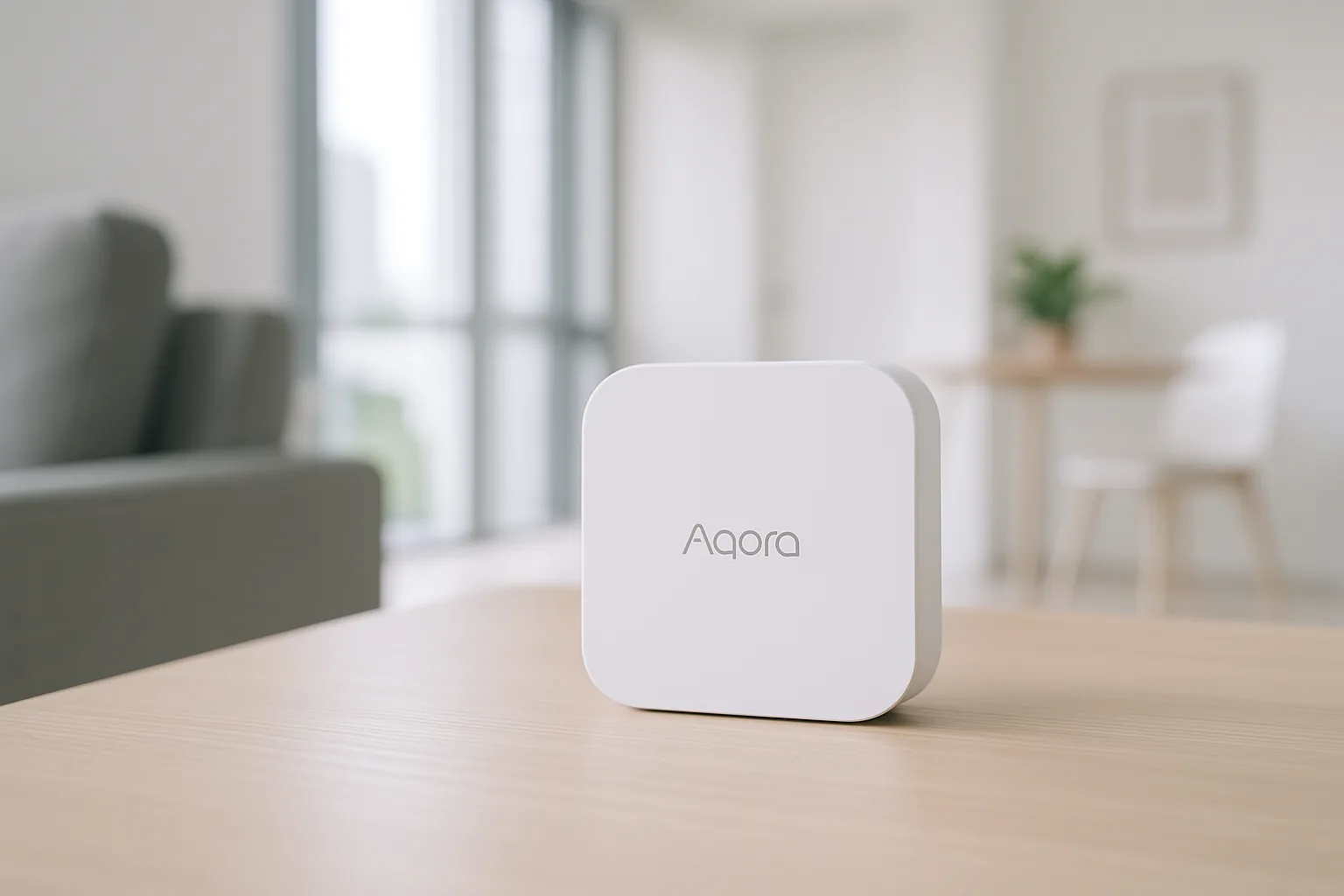
Aqara is the pick for tinkerers who want lighting tied to sensors — motion, door contacts and presence — for genuinely automated rooms. Its Zigbee hub and wide sensor range let you build rules like lights that follow you through the flat. It rewards effort with powerful automations, though setup is more involved than plug-and-play systems.
Pros
- Deep sensor-driven automations
- Good value hub and devices
- Works with major assistants
Cons
- Steeper learning curve
- Lighting range narrower than Hue
The verdict
Philips Hue is the best whole-home smart lighting system for reliability and range, but IKEA’s DIRIGERA platform delivers most of the experience for far less, making it the smartest value choice for most Singapore flats.
Frequently asked questions
Do I need a hub for a whole-home smart lighting system?
For a large setup, a hub-based Zigbee system like Philips Hue or IKEA is more reliable than all-Wi-Fi because it does not crowd your router. Small flats can run happily on Wi-Fi bulbs like Tapo, but as you add rooms a hub pays off in stability.
Can I mix brands in one smart lighting system?
You usually keep each brand on its own hub and app, then unify control through Google Home or Alexa so voice and routines feel like one system. Mixing bulbs from different brands on a single hub is generally not supported.
How much does it cost to make a whole HDB flat smart?
It varies with how many fittings you have, but budget roughly a hub plus the per-bulb price across every room; IKEA keeps this lowest, while Hue costs more for its reliability. Buying room by room spreads the cost.
Will the lights still work if the internet goes down?
Local control still functions for hub-based systems on your home network — you can use switches and remotes — but voice assistants and remote-away control need internet. Hue and IKEA hold up better offline than pure-cloud Wi-Fi bulbs.
What about wall switches cutting the power?
Add smart switches or wireless remotes so household members are not tempted to flip the wall switch and disable the smart bulbs. Hue and Aqara both sell switches designed exactly for this.
Related guides
Planning a smarter home?
Tell us your space and budget — we’ll point you to the right devices, or connect you with a supplier.