Reviews are independent. Prices are indicative (SGD) and change often — always check the latest price before buying. We may earn a commission from some links.
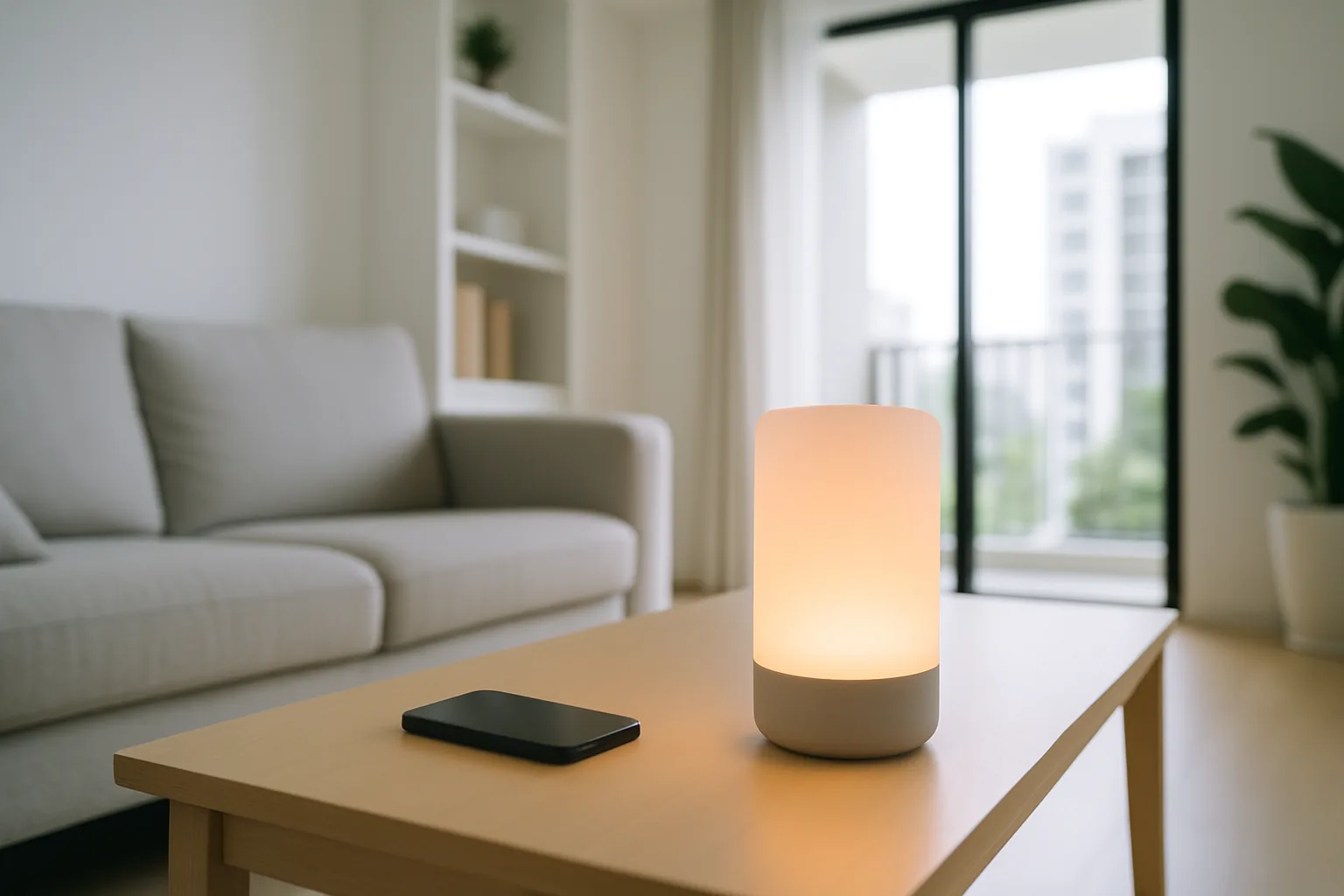
Smart lights for the home let you dim, colour and schedule your lighting from a phone or your voice, and they’re one of the cheapest, most satisfying ways to start a smart home in a Singapore flat. This guide covers the smart lighting systems most worth buying here, from the polished Philips Hue ecosystem to value-driven TP-Link Tapo, Xiaomi Yeelight, IKEA and Aqara, all framed for HDB and condo wiring and Wi-Fi.
We chose these on ease of setup, colour and dimming quality, app and voice control, and how well they scale from one bulb to a whole flat. It’s written for renters wanting a no-rewiring upgrade, homeowners automating their lighting, and anyone comparing a smart bulb against a smart light switch for home before buying. Smart lighting is the classic gateway drug into home automation because a single bulb costs little, needs no electrician and instantly shows what’s possible with schedules, scenes and voice control. Our prices are indicative SGD ranges that change often and are quoted per bulb, so treat them as a guide and check the latest price before buying.
What to look for in Singapore
- Bulb fitting — most Singapore homes use E27 or B22 for main bulbs and E14 for smaller fittings, so check the base before ordering.
- Whether you want tunable-white or full-colour bulbs, as colour costs more but adds mood and scene options.
- Hub versus Wi-Fi direct — a hub (like Hue Bridge) is more reliable at scale, while Wi-Fi bulbs are cheaper to start but can crowd your network.
- Voice-assistant support for Google Home, Alexa or Apple Home, matching whatever you already use.
- The smart light switch versus smart bulb decision, since a switch keeps existing bulbs but may need a neutral wire many HDB gang boxes lack.
- Dimming smoothness and no flicker, which cheaper bulbs sometimes get wrong.
- Scheduling and automation features for holiday-mode security lighting when you travel.
- Local availability and warranty, so replacements and additional bulbs are easy to source in Singapore.
At a glance
| Model | Best for | Key spec | Indicative price | Rating |
|---|---|---|---|---|
| Philips Hue — Editor’s Choice | Overall ecosystem | Hub, colour, reliable | $40–$100 per bulb | ★★★★★ |
| TP-Link Tapo smart bulbs | Best value | Wi-Fi direct, no hub | $15–$35 per bulb | ★★★★★ |
| Xiaomi Yeelight | Colour on a budget | Wi-Fi, vibrant colour | $20–$45 per bulb | ★★★★☆ |
| IKEA smart lighting | Starter kits | Affordable, hub-based | $15–$40 per bulb | ★★★★☆ |
The picks
Editor’s Choice
Philips Hue
Hue is the most polished and reliable smart lighting system, with a hub that handles dozens of bulbs smoothly and the widest range of accessories. If you want a whole-flat setup that just works, Hue is the one to build around. The Bridge keeps bulbs responsive even with dozens connected, the scenes and automations are the best in the business, and it works cleanly with Google Home, Alexa and Apple Home alike.
Pros
- Rock-solid reliability at scale
- Huge accessory range
- Excellent app and voice support
Cons
- Most expensive option
- Full experience needs the Hue Bridge
Best Value
TP-Link Tapo Smart Bulbs
Tapo bulbs connect straight to Wi-Fi with no hub and cost a fraction of Hue, while still offering colour, dimming and scheduling. For most Singapore homes starting out, they’re the best value entry point, and you can add bulbs one room at a time as your budget allows without committing to a hub.
Pros
- Very affordable
- No hub required
- Easy app and voice control
Cons
- Wi-Fi bulbs can crowd your network at scale
- Less refined than Hue
Best colour on a budget
Xiaomi Yeelight
Yeelight bulbs deliver vivid colour and good brightness for the price, popular with buyers who want mood lighting without the Hue premium. Setup is simple over Wi-Fi via the app.
Pros
- Vibrant colour for the price
- Good brightness
- Simple Wi-Fi setup
Cons
- App can be less polished
- Ecosystem tied to Xiaomi
Best starter kits
IKEA Smart Lighting
IKEA’s affordable hub-based bulbs and remotes are an easy, low-cost way to try smart lighting, and they play nicely with major voice assistants. A sensible first step for a single room.
Pros
- Affordable starter kits
- Works with Google and Alexa
- Simple remotes included
Cons
- Smaller range than Hue
- Hub needed for full features
The verdict
For a whole Singapore home Philips Hue is the most reliable system to build around, while TP-Link Tapo bulbs are the best-value way to start without a hub.
Frequently asked questions
Do smart lights need special wiring in a HDB flat?
Smart bulbs don’t — you just swap them into your existing E27, B22 or E14 fittings, which makes them ideal for renters. Smart switches are different: many need a neutral wire that older HDB gang boxes may not have, so check before buying a switch.
Smart bulb or smart switch — which is better for home?
Bulbs are easier and let you change colour and dim individually, best when you have a few key fittings. A smart light switch controls all bulbs on that circuit at once and keeps normal wall operation, but may need a neutral wire and an electrician.
Which smart light system is best value in Singapore?
TP-Link Tapo bulbs offer the best value: colour, dimming and scheduling over Wi-Fi with no hub, at a low price. If you’re lighting a whole flat and want maximum reliability, Philips Hue is worth the extra spend.
Do I need a hub for smart lights?
Not always. Tapo and Yeelight bulbs connect directly to Wi-Fi with no hub. Hue and IKEA use a hub, which is more reliable and responsive once you have many bulbs, so hubs make more sense for larger setups.
Can smart lights help with security when I travel?
Yes. Scheduling or holiday-mode automations turn lights on and off in realistic patterns while you’re away, making the flat look occupied. Combined with voice or app control, it’s a cheap deterrent worth setting up before a trip. Pair it with a wireless camera and you have a simple, low-cost home-security setup without any wiring work.
Related guides
Planning a smarter home?
Tell us your space and budget — we’ll point you to the right devices, or connect you with a supplier.