Reviews are independent. Prices are indicative (SGD) and change often — always check the latest price before buying. We may earn a commission from some links.
Smart home sensors are the quiet backbone of any automated flat in Singapore, because they are what let your lights, aircon and alerts react to the real world instead of waiting for you to tap an app. A few well-placed motion, door, temperature and leak sensors turn a collection of gadgets into a home that actually responds — switching on the corridor light when you walk in, or pinging your phone if the service-yard door opens. This guide covers the best smart home sensors you can buy in Singapore, what they cost in SGD, and how to build a reliable sensor network in an HDB flat or condo.
We focused on sensor ecosystems that are stocked locally, work with the voice platforms most Singaporeans use, and are proven to be reliable in our warm, humid conditions. Our picks span a deep automation ecosystem, budget-friendly options and a versatile all-rounder, so you can start small and expand. Whether you want peace of mind while travelling, energy savings on the aircon, or lights that simply follow you around, the right sensors make it happen.
What to look for in Singapore
- Hub versus standalone — most reliable sensor systems use a Zigbee or Thread hub for battery life and stability, while a few connect over Wi-Fi and are simpler but chew through batteries faster.
- Sensor types you actually need — motion, door/window contact, temperature and humidity, water-leak and vibration each solve different problems in an SG home.
- Voice and platform support for Google Home, Amazon Alexa and Apple Home, so your sensors can trigger routines you already use.
- Battery life and easy battery type, since sensors are scattered around the flat and you do not want to replace odd cells every few weeks.
- Humidity and temperature tolerance, because our climate can affect adhesive mounts and battery performance, so quality sensors matter.
- Water-leak sensors for the kitchen, service yard and under sinks, a genuinely useful safeguard against slow leaks in HDB flats.
- Automation depth in the app — the ability to chain sensors to lights, plugs and notifications is where the real value lies.
- Local availability and warranty, so you can expand the same ecosystem later and get support if a hub fails.
At a glance
| Model | Best for | Key spec | Indicative price | Rating |
|---|---|---|---|---|
| Aqara sensors — Editor’s Choice | Whole-home automation | Zigbee hub, wide sensor range | $20–$60 per sensor | ★★★★★ |
| TP-Link Tapo sensors — Best value | First-timers | Simple hub, affordable | $15–$40 per sensor | ★★★★½ |
| SwitchBot sensors — Best all-rounder | Mixed setups | Flexible, Matter-ready | $20–$60 per sensor | ★★★★ |
| Xiaomi / Mi sensors — Best budget ecosystem | Xiaomi homes | Mi Home app, low cost | $15–$45 per sensor | ★★★★ |
The picks
Editor’s Choice
Aqara sensors
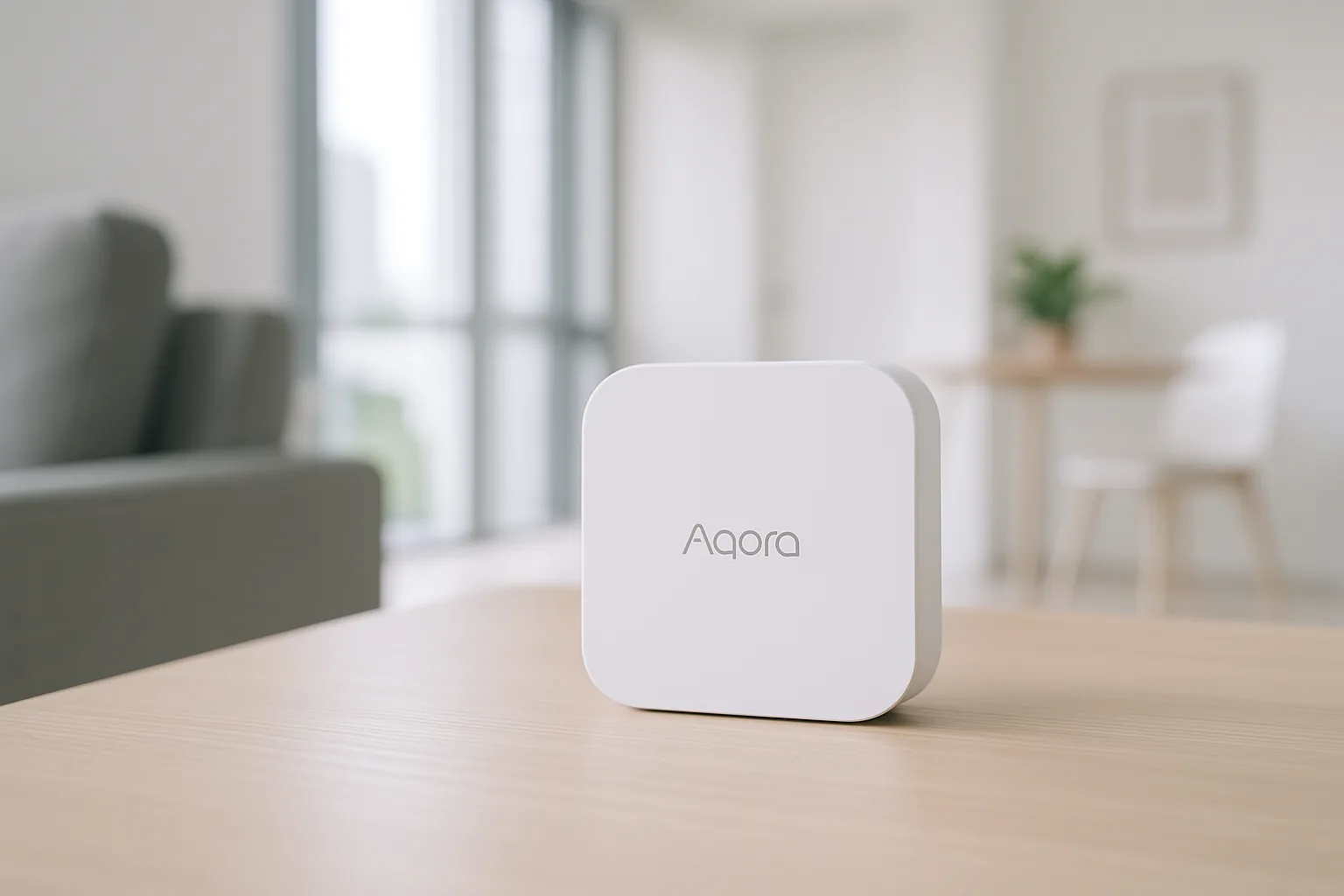
Aqara offers the deepest and most reliable sensor ecosystem for SG homes, with motion, door/window, temperature-humidity, vibration, leak and presence sensors all running off a stable Zigbee hub. Battery life is excellent and the automation engine is genuinely powerful, letting sensors trigger lights, plugs and notifications. It works across Google, Alexa and Apple Home, making it the pick for anyone serious about automation.
Pros
- Widest range of sensor types
- Long battery life on Zigbee
- Deep, reliable automations
Cons
- Needs an Aqara hub for full features
- Best value only within its ecosystem
Best Value
TP-Link Tapo sensors
Tapo’s sensor range pairs affordable motion and contact sensors with a simple hub, making it the easiest low-cost entry into home sensing. Setup in the Tapo app is quick, and it ties neatly into Tapo cameras, plugs and bulbs for straightforward automations. Ideal for first-timers who want reliable basics without a steep learning curve.
Pros
- Very affordable sensors
- Simple, stable app
- Works well with other Tapo gear
Cons
- Smaller sensor variety
- Automations less advanced than Aqara
Best All-Rounder
SwitchBot sensors
SwitchBot’s motion, contact and environment sensors are flexible and increasingly Matter-ready, so they fit into mixed smart homes without locking you in. Paired with SwitchBot’s hubs and actuators, they enable creative automations like triggering a bot to press a physical switch. A versatile choice if your setup spans several brands.
Pros
- Flexible and Matter-friendly
- Pairs with clever SwitchBot actuators
- Good for mixed-brand homes
Cons
- Hub needed for remote access
- Ecosystem can get pricey as it grows
Best Budget Ecosystem
Xiaomi / Mi sensors
Xiaomi’s motion, door and temperature-humidity sensors are cheap and plentiful, all managed through the Mi Home app. They are a natural extension if you already run Xiaomi lights or plugs, letting you automate across one ecosystem affordably. Output and reliability are solid for the price, though the app can feel less refined than premium rivals.
Pros
- Very low cost per sensor
- Broad range under one app
- Great with existing Xiaomi devices
Cons
- App experience can be inconsistent
- Check region settings during setup
The verdict
For a home that truly reacts to you, Aqara’s sensor ecosystem is the strongest all-round investment, while TP-Link Tapo is the best value way to get started with reliable motion and door sensing.
Frequently asked questions
What smart home sensors should I start with in an HDB flat?
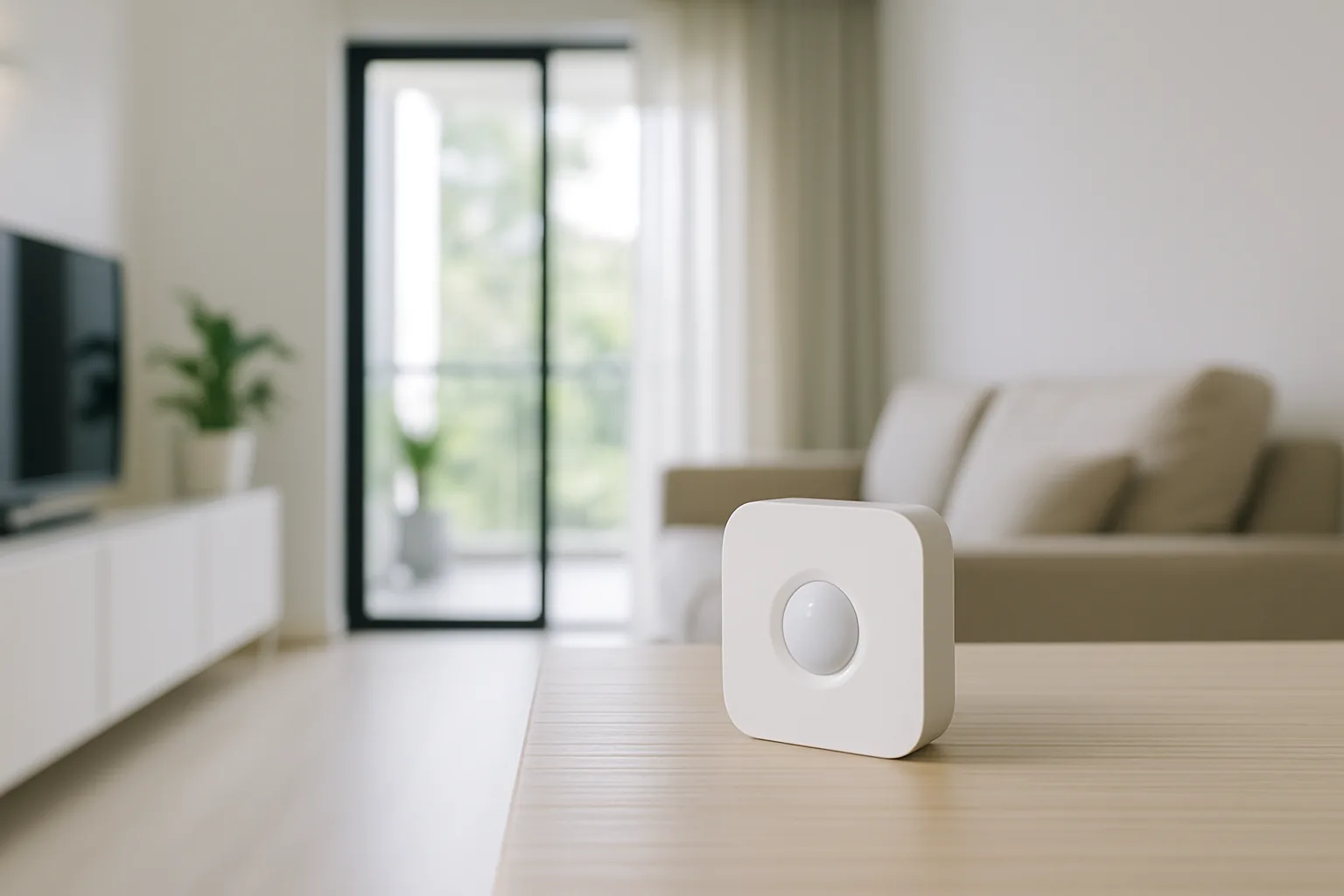
Begin with a motion sensor for the entrance corridor and a door/window contact sensor for the main or service-yard door, then add a water-leak sensor under the kitchen sink. These three cover convenience and peace of mind for most flats.
Do smart sensors need a hub?
The most reliable systems like Aqara and TP-Link Tapo use a hub for stable connections and long battery life. A few Wi-Fi sensors skip the hub but drain batteries faster and can crowd your network.
Will the sensors work with Google Home or Alexa?
Aqara, TP-Link Tapo, SwitchBot and Xiaomi all support Google Home and Amazon Alexa, and several also work with Apple Home. This lets a sensor trigger routines or announce alerts through your speakers.
Are water-leak sensors worth it in Singapore homes?
Yes — a slow leak under a sink or in the service yard can cause damage and mould before you notice it. A cheap leak sensor pings your phone immediately, making it one of the highest-value sensors you can buy.
How long do sensor batteries last?
Zigbee sensors from Aqara or Xiaomi often run a year or more on a coin cell, while Wi-Fi sensors need changing more often. Choose common battery types so replacements are easy to find locally.
Related guides
- More Smart Home guides
- Best Smart Home Motion Sensor in Singapore
- Best Smart Home Light Control in Singapore
Planning a smarter home?
Tell us your space and budget — we’ll point you to the right devices, or connect you with a supplier.