Reviews are independent. Prices are indicative (SGD) and change often — always check the latest price before buying. We may earn a commission from some links.
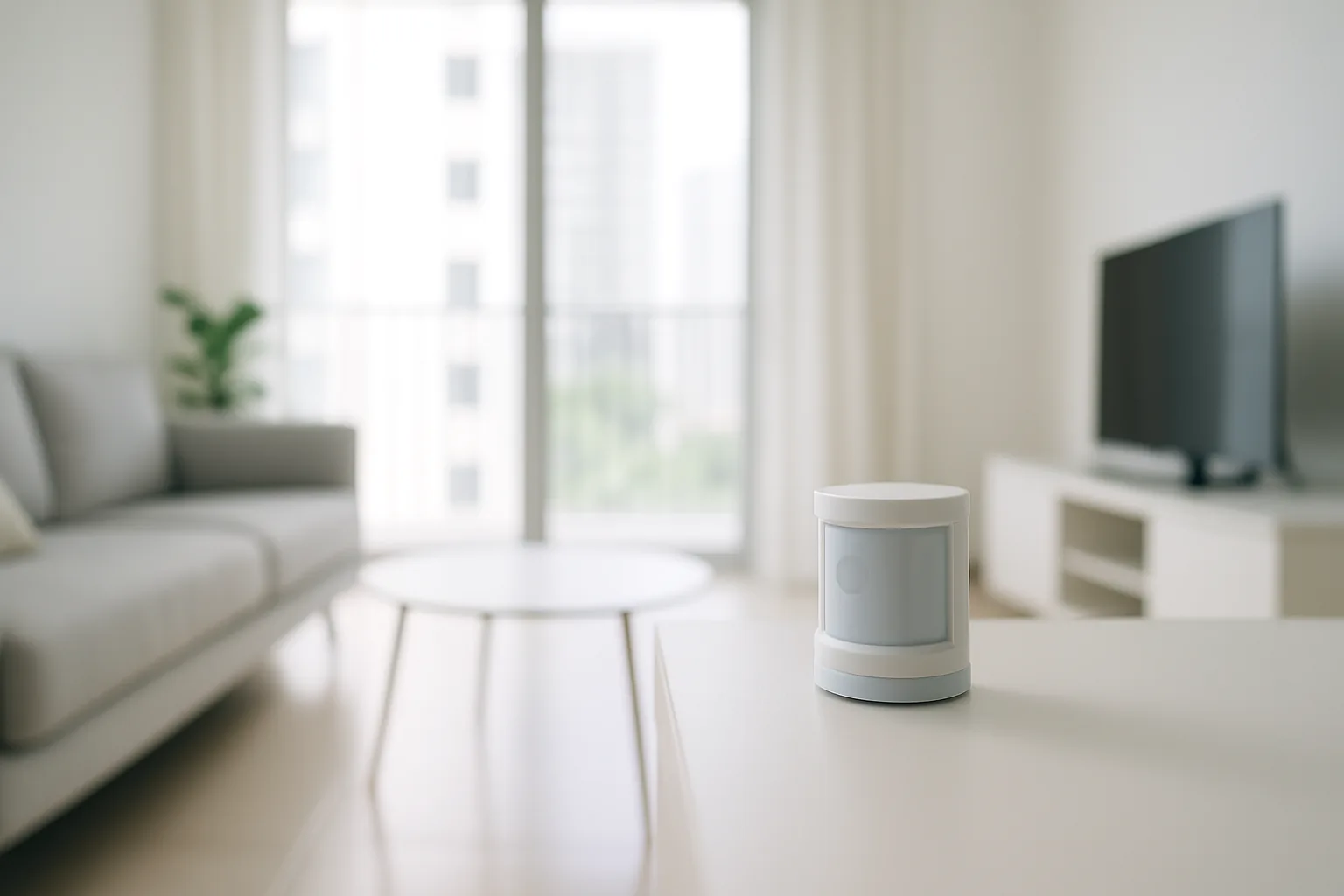
A smart home motion sensor is the little device that makes automations feel like magic: lights that switch on as you walk into a dark HDB kitchen, an alert when someone enters the study, or the aircon that shuts off when a room empties. These small battery-powered sensors detect movement and tell your smart-home hub or app to act, and they are among the cheapest, highest-impact gadgets you can add. This guide covers the best smart home motion sensors sold in Singapore and how to choose one that plays nicely with your setup.
We wrote this for homeowners building or expanding a smart home who want reliable sensors that just work. Our picks focus on brands with strong local availability and proven ecosystems, including Aqara, Philips Hue, TP-Link Tapo, Xiaomi and Sonoff. We weigh how the sensor connects (Zigbee, Wi-Fi or Thread), battery life, detection speed and range for typical HDB and condo rooms, and how well each integrates with the hubs, lights and voice assistants people actually run here, since a sensor is only as good as what it can trigger.
What to look for in Singapore
- Connectivity type: Zigbee or Thread sensors (via a hub) are more responsive and battery-efficient than Wi-Fi, which suits large smart-home setups.
- Ecosystem compatibility: confirm the sensor works with your hub and app, whether that is Aqara, Apple Home, Google Home, Alexa or Home Assistant.
- Battery life: good sensors run a year or more on a coin cell, so check battery type and expected life to avoid constant swaps.
- Detection range and angle: match the sensor’s coverage to your room, as a wide-angle sensor suits an open living-dining area better than a narrow one.
- Response speed: for lights that switch on as you enter, a fast-triggering sensor makes the automation feel instant rather than laggy.
- Extra sensing: some sensors add light-level or temperature readings, letting you trigger lights only when it is actually dark.
- Mounting and size: a small sensor that sticks in a corner or on a wall without drilling is easiest in a HDB flat or rental.
- Local support and price: widely stocked brands are easier to expand and replace, and sensors are cheap enough to deploy several around the home.
At a glance
| Model | Best for | Key spec | Indicative price | Rating |
|---|---|---|---|---|
| Aqara Motion Sensor P2 / P1 — Editor’s Choice | Overall smart homes | Zigbee/Thread, light sensing, long battery | $25–$50 | ★★★★★ |
| Philips Hue motion sensor — Best for Hue lighting | Hue lighting users | Fast, light sensing, seamless with Hue | $40–$70 | ★★★★☆ |
| TP-Link Tapo motion sensor — Best Value | Tapo/hub-free starters | Affordable, easy setup | $15–$35 | ★★★★☆ |
| Xiaomi / Mi motion sensor — Best budget | Xiaomi ecosystem | Very cheap, reliable, Zigbee | $10–$25 | ★★★★☆ |
| Sonoff motion sensor — Best for tinkerers | DIY / Home Assistant | Zigbee, flexible integration | $12–$30 | ★★★★☆ |
The picks
Editor’s Choice
Aqara Motion Sensor P2 / P1
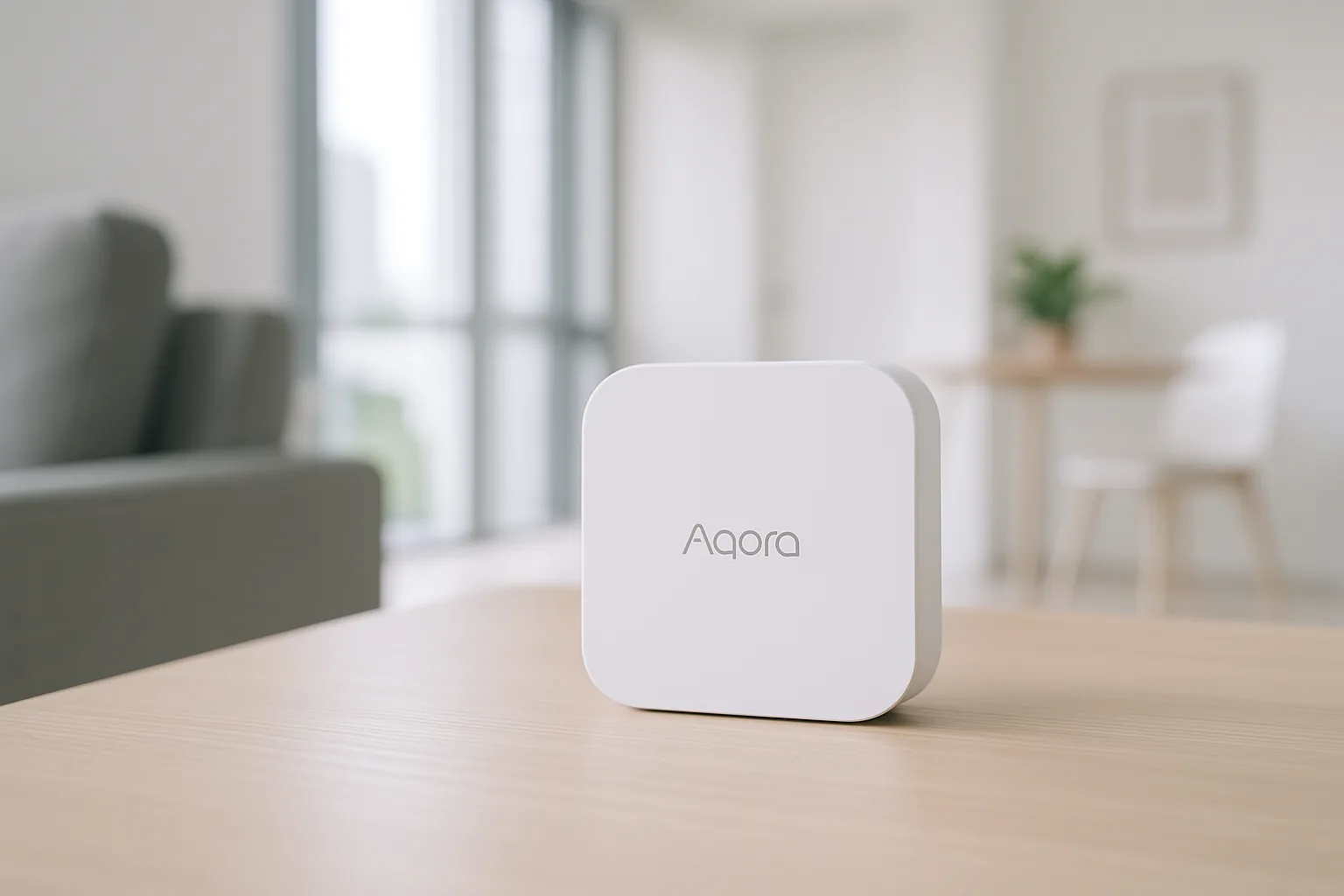
Aqara’s motion sensors are our top pick for most smart homes, combining fast, reliable detection with built-in light sensing, long battery life and broad ecosystem support including Apple Home, Google, Alexa and Home Assistant. Paired with an Aqara hub they respond almost instantly, making light automations feel seamless. Affordable and versatile, they are the sensible backbone for a HDB or condo smart home.
Pros
- Broad ecosystem compatibility
- Built-in light sensing
- Fast response and long battery
Cons
- Needs an Aqara or Thread hub for full features
- Setup involves the hub
Best for Hue lighting
Philips Hue motion sensor
If your lighting is Philips Hue, its own motion sensor is the smoothest match, triggering lights instantly with built-in daylight sensing so they only come on when it is dark. It is pricier than rivals but flawlessly integrated within the Hue system. The obvious choice for anyone invested in Hue lighting.
Pros
- Seamless with Hue lights
- Fast, reliable triggering
- Daylight sensing built in
Cons
- Premium price
- Best only within Hue
Best Value
TP-Link Tapo motion sensor
Tapo’s motion sensor is an affordable, easy way to add motion-triggered automations and alerts, working within the approachable Tapo app and ecosystem. It is a great starter for anyone already using Tapo cameras or plugs. Simple, cheap and reliable for everyday needs.
Pros
- Affordable and easy to set up
- Works with Tapo ecosystem
- Good for alerts and simple automations
Cons
- Best within the Tapo system
- Fewer advanced sensing extras
Best budget
Xiaomi / Mi motion sensor
Xiaomi’s Zigbee motion sensors are famously cheap and reliable, letting you scatter several around the home without spending much. They tie into the Mi Home ecosystem and work well for basic light and alert automations. The budget pick for deploying motion sensing widely.
Pros
- Very inexpensive
- Reliable Zigbee detection
- Ties into Xiaomi ecosystem
Cons
- Needs a Mi hub
- Best within Xiaomi ecosystem
Best for tinkerers
Sonoff motion sensor
Sonoff’s Zigbee motion sensors are a favourite among DIY and Home Assistant users for their flexibility and low price, integrating into custom automations easily. They are less plug-and-play for beginners but reward tinkerers with control. Best for those building an open, custom smart home.
Pros
- Flexible for custom setups
- Affordable Zigbee sensor
- Popular with Home Assistant users
Cons
- Less beginner-friendly
- Needs a compatible hub
The verdict
For most Singapore smart homes Aqara’s motion sensors are the best all-round choice, while Hue owners should pick the matching Hue sensor and Xiaomi covers tight budgets.
Frequently asked questions
What can a smart home motion sensor do?
It detects movement and triggers automations, such as switching on lights when you enter a dark room, alerting your phone if someone moves in a space while you are out, or turning off aircon and lights when a room empties. It is one of the most useful cheap smart-home additions.
Do motion sensors need a hub?
Most reliable ones, like Aqara, Xiaomi and Sonoff, use Zigbee and need a compatible hub, which gives faster response and longer battery life. Some Wi-Fi sensors like certain Tapo models work more directly, trading some responsiveness for simpler setup.
Which motion sensor is best for a HDB flat?
Aqara’s sensors are the best all-rounders for most flats thanks to broad compatibility and light sensing. If your lights are Philips Hue, its own sensor integrates most smoothly, while Xiaomi is the budget pick for covering many rooms cheaply.
How long does the battery last?
Good Zigbee sensors typically run a year or more on a single coin-cell battery, since they only wake when they detect motion. Check the battery type so replacements are easy to find locally.
Can it trigger lights only at night?
Yes, if the sensor includes light-level sensing, which Aqara and Philips Hue offer. You set the automation to switch lights on only when the room is dark, so they do not fire uselessly during the day.
Related guides
Planning a smarter home?
Tell us your space and budget — we’ll point you to the right devices, or connect you with a supplier.