Reviews are independent. Prices are indicative (SGD) and change often — always check the latest price before buying. We may earn a commission from some links.
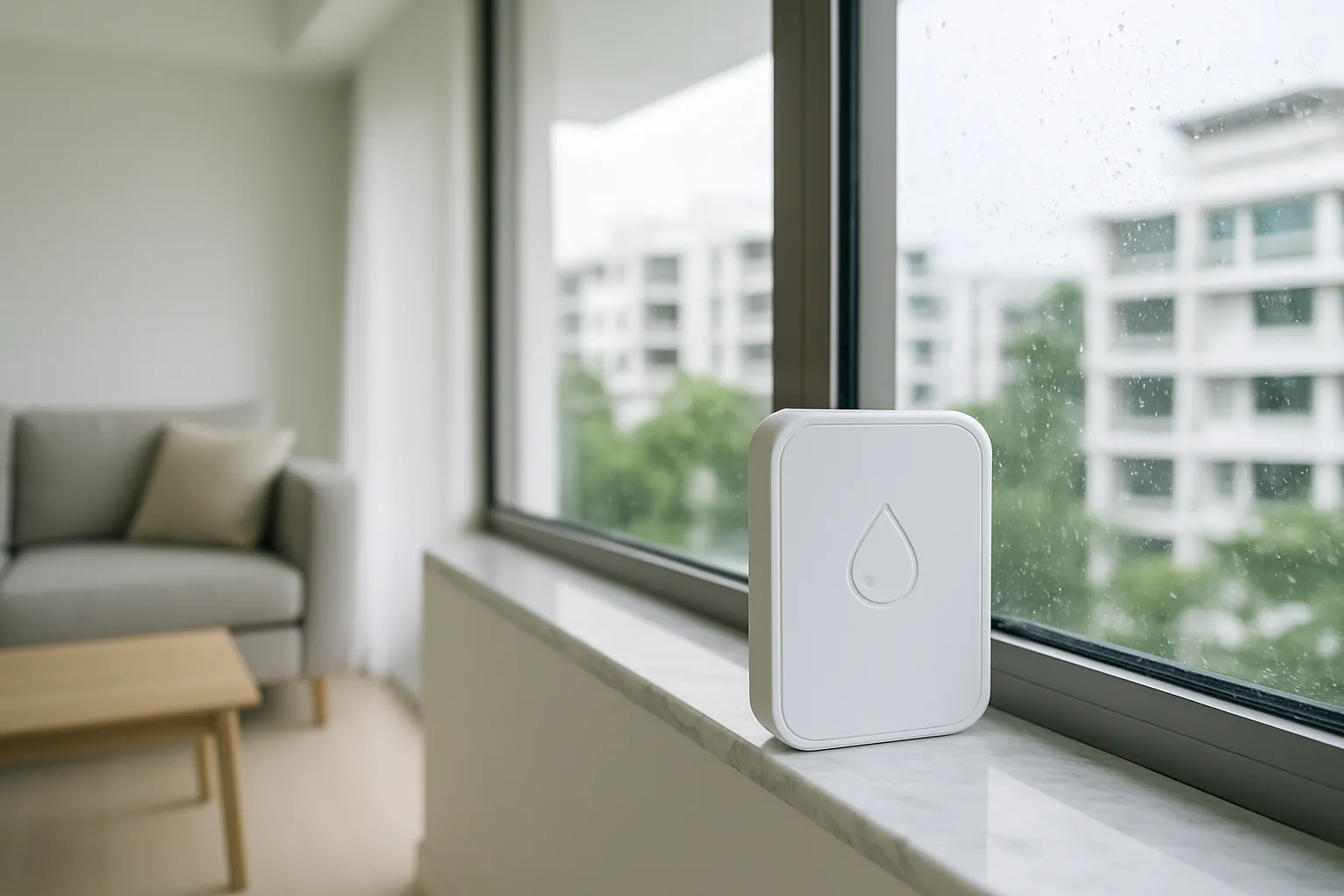
A rain sensor for a smart home is one of the most useful automations you can add in Singapore, where a sunny afternoon turns into a downpour with almost no warning. The idea is simple: detect rain (or the weather forecast) and trigger something automatically — close the windows, retract a motorised laundry rack, pull in an awning, or just push an alert to your phone so you can dash home before the washing gets soaked. This guide rounds up the rain-detection options SG smart-home owners can actually buy, and how to wire them into a useful routine.
There is no single mass-market brand named after rain here, so we split the picks into real approaches: dedicated rain and weather sensors, and hub ecosystems that trigger actions from live rain or forecast data. Everything below is available in Singapore and works with common platforms, so whether you want to protect laundry on the service yard or shut condo windows automatically, you can build a routine that suits our tropical weather and realistic SGD budgets.
What to look for in Singapore
- Decide what the rain event should trigger — closing windows, retracting a laundry rack, pulling in an awning, or simply alerting you — as this determines the sensor and hub you need.
- A true physical rain sensor detects actual droplets fast, while a forecast-based trigger uses online weather data; combining both gives the most reliable protection.
- Check platform compatibility — Aqara, Xiaomi, SwitchBot, Tapo and Sonoff each use their own app, so pick a sensor that talks to your existing hub.
- For outdoor placement on a Singapore service yard or balcony, choose weather-resistant hardware that tolerates constant humidity and direct rain.
- If you want to close motorised windows or awnings, confirm the sensor can trigger those specific actuators through your hub’s automations.
- Battery versus wired matters — a battery sensor is easy to place but needs occasional charging, while a wired unit is set-and-forget.
- Local support and warranty count, so favour brands with SG distribution for replacements and firmware updates.
- Consider response speed and false-triggering, since you want the routine to fire on real rain, not passing spray or high humidity.
At a glance
| Model | Best for | Key spec | Indicative price | Rating |
|---|---|---|---|---|
| Aqara Hub + sensor automations — overall pick | Full smart-home automation | Triggers windows/racks via Aqara app | $60–$250 | ★★★★½ |
| SwitchBot Hub + Meter/Weather | Retrofit laundry & window control | Weather trigger + motorised actions | $50–$200 | ★★★★ |
| Sonoff / eWeLink rain-sensor setup | DIY value automations | Physical rain sensor + smart relay | $30–$120 | ★★★★ |
| Tapo smart plugs + weather routines | Simple alerts & plug control | Forecast-based routines + alerts | $20–$90 | ★★★½ |
The picks
Editor’s Choice
Aqara Hub + Sensor Automations
Aqara is the most flexible ecosystem in Singapore for rain-driven automations. With an Aqara hub you can trigger motorised curtains, window openers or a smart-plug laundry rack from weather conditions and sensor logic, all in one app, and fold it into wider routines. It is the pick for anyone building a proper automated home rather than a single gadget.
Pros
- Deep automation across many devices
- Works with Matter and Apple Home
- Strong SG availability and support
Cons
- Needs a hub and compatible actuators
- Physical rain detection may need a paired third-party sensor
Best for Retrofit
SwitchBot Hub + Meter/Weather
SwitchBot shines when you want to automate things you already own without rewiring. Its hub and sensors can trigger a SwitchBot finger or curtain motor and use weather conditions in routines, so a rack or window can respond to changing conditions. A practical, renter-friendly way to add rain-aware automation in a condo.
Pros
- Retrofits existing windows and racks
- No rewiring needed
- Easy app-based routines
Cons
- Best with other SwitchBot devices
- Weather triggers rely on forecast data
Best Value DIY
Sonoff / eWeLink Rain-Sensor Setup
For tinkerers, a Sonoff smart relay paired with a physical rain sensor and the eWeLink app is a genuinely affordable way to detect real droplets and fire an action — a light, an alert, or a motorised device. It takes a little setup but gives you fast, true rain detection rather than relying on the forecast.
Pros
- Detects actual rain quickly
- Very affordable components
- Flexible for custom projects
Cons
- Requires DIY wiring and setup
- Less polished app experience
Best for Simplicity
Tapo Smart Plugs + Weather Routines
If you just want a simple heads-up and basic control, TP-Link Tapo’s app can run weather-aware routines and push alerts, while its smart plugs let you switch a fan or a plug-in device when conditions change. It is the easiest, cheapest entry point for a rain-aware nudge before you invest in full automation.
Pros
- Cheap and easy to set up
- Reliable app and alerts
- Widely available in SG
Cons
- Forecast-based, not true rain detection
- Limited to plug-controlled devices
The verdict
For a proper rain-aware smart home in Singapore, an Aqara hub with the right sensors and motorised actuators is the most capable choice; if you want to retrofit what you already own without rewiring, SwitchBot is the easiest path, while Tapo covers simple alerts on a budget.
Frequently asked questions
Is there a smart home rain sensor that closes my windows automatically in Singapore?
Yes, but it takes two parts: a rain or weather trigger and a motorised window opener or actuator, linked through a hub like Aqara. When rain is detected or forecast, the routine drives the opener shut. Confirm your windows can be motorised, as many HDB and condo windows need a compatible actuator first.
Can a rain sensor retract my automated laundry rack?
It can, if your laundry rack is motorised or controlled by a smart switch. Pair a weather trigger or physical rain sensor with the rack’s smart control through your hub, and set a routine to raise or retract it when rain starts. Many SG homes do exactly this on the service yard.
Do I need a physical rain sensor or is forecast data enough?
Forecast-based routines are simpler and cheaper but can lag a sudden Singapore downpour. A physical rain sensor detects actual droplets within seconds, so for protecting laundry or open windows, combining both — forecast for early warning, sensor for confirmation — is the most reliable setup.
Which smart home platform is best for rain automations in SG?
Aqara is the most capable for triggering curtains, windows and plugs from conditions, while SwitchBot is best for retrofitting existing devices without rewiring. Tapo and Sonoff suit simpler or DIY setups. Choose the one that matches the devices you already own.
Will an outdoor rain sensor survive Singapore weather?
Only if it is rated for outdoor use, so check for weather resistance before mounting it on a balcony or service yard exposed to constant humidity and rain. Position it where genuine rain reaches it but passing spray or condensation will not cause false triggers.
Related guides
Planning a smarter home?
Tell us your space and budget — we’ll point you to the right devices, or connect you with a supplier.