Reviews are independent. Prices are indicative (SGD) and change often — always check the latest price before buying. We may earn a commission from some links.
A Xiaomi smart home is one of the most affordable and beginner-friendly ways to automate an HDB flat or condo in Singapore, with a huge ecosystem of sensors, cameras, plugs, lights and hubs that all talk to each other through the Mi Home (Xiaomi Home) app. Because the devices are cheap, widely stocked and increasingly Matter-compatible, Xiaomi is often where Singapore homeowners start their smart-home journey before adding other brands. This guide covers the key Xiaomi smart-home devices worth buying locally, how to build a reliable setup, and which pieces give you the most value.
We wrote this for buyers who want a practical, budget-friendly smart home without committing to a premium ecosystem. Xiaomi’s strength is that you can start small and cheap, then expand device by device as you discover which automations actually improve daily life in your flat. The trade-off is that the ecosystem rewards a little planning, particularly around using a hub for Zigbee sensors and setting the correct app region, which we cover so your setup stays fast and reliable rather than flaky. We judged each device on usefulness, reliability, app experience, integration with Google/Alexa/Apple where relevant, and SGD value from local sellers. Prices move often during Shopee and Lazada sales, so treat all figures as indicative ranges and check the latest price before buying.
What to look for in Singapore
- A central hub or gateway if you want Zigbee sensors to run reliably and to enable local automations.
- Matter or Google/Alexa/Apple compatibility so your Xiaomi devices work with voice assistants you already use.
- Wi-Fi band support — most Xiaomi devices use 2.4GHz, so confirm your router broadcasts it for easy setup.
- Devices that solve real HDB needs — motion-sensor lighting for corridors, door/window sensors, and smart plugs for the water heater or fan.
- Camera privacy and local storage options if you use Xiaomi security cameras indoors.
- Air quality and humidity monitoring, useful during haze season and in our humid climate.
- App region settings, since some devices need the correct server region to connect smoothly.
- Local warranty and support from official Xiaomi stores rather than grey imports.
At a glance
| Device | Best for | Key spec | Indicative price | Rating |
|---|---|---|---|---|
| Xiaomi Smart Home Hub / Gateway — Editor’s Choice | The automation brain | Zigbee hub, local automations | $40–$90 | ★★★★☆ |
| Xiaomi Smart Camera (C-series) — Best Value | Home monitoring | Full HD, app alerts, local storage | $30–$80 | ★★★★☆ |
| Xiaomi Smart Air Purifier 4 — Best for haze | Air quality | HEPA filter, PM2.5 display, app | $150–$350 | ★★★★☆ |
| Xiaomi/Mijia sensors & plugs — Best starter kit | First automations | Motion, door, temp sensors, plugs | $10–$40 each | ★★★★☆ |
The picks
Editor’s Choice
Xiaomi Smart Home Hub / Gateway
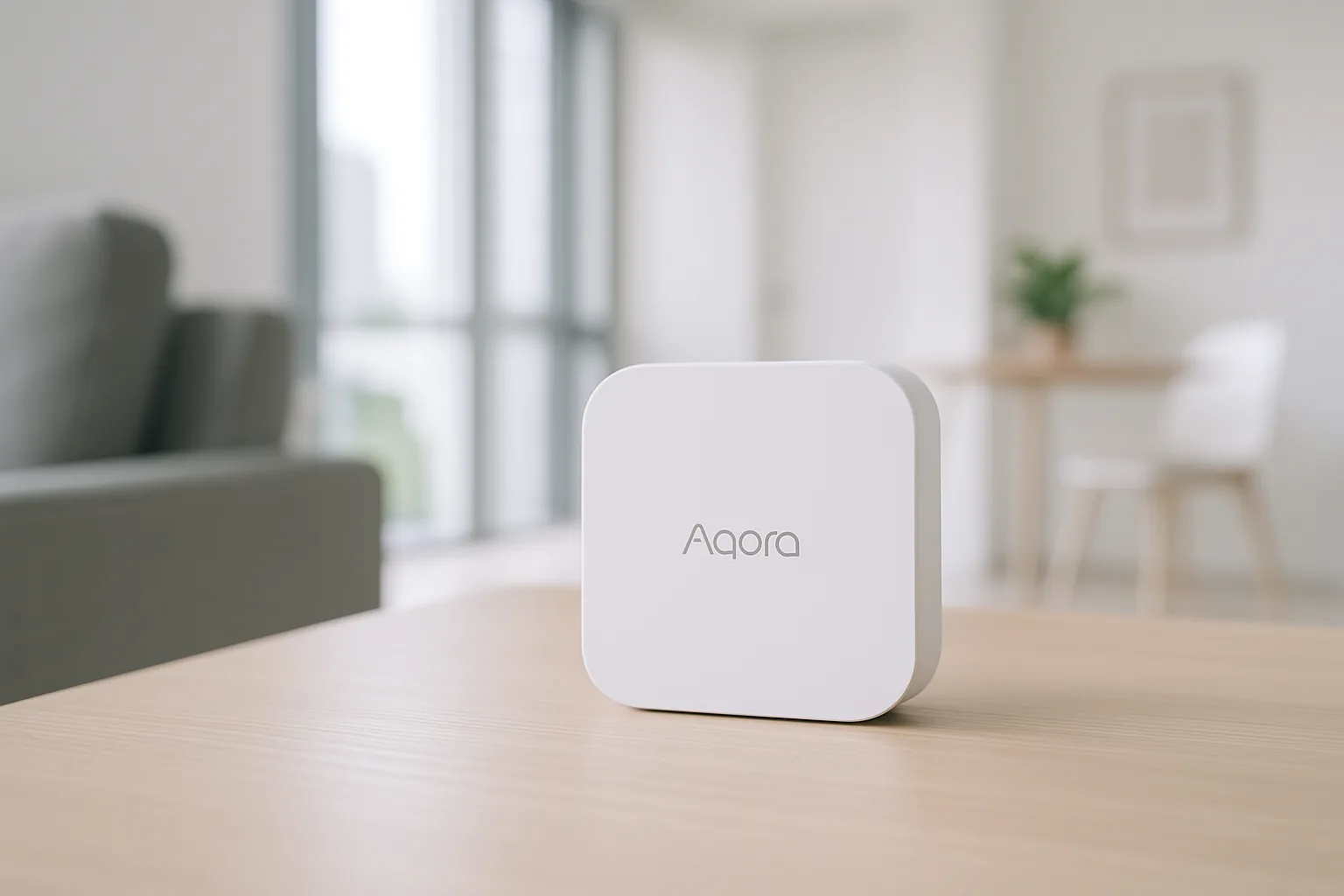
The Xiaomi hub is the brain of an affordable smart home, connecting Zigbee sensors and enabling automations that run even if your internet drops. It is the piece that turns a pile of gadgets into a system, triggering lights and alerts from sensors around your flat. Best for anyone serious about building a reliable Xiaomi ecosystem rather than a few standalone Wi-Fi devices.
Pros
- Enables reliable local automations
- Connects low-cost Zigbee sensors
- Inexpensive and compact
Cons
- Extra device to set up
- Some features tied to app region
Best Value
Xiaomi Smart Camera (C-series)
Xiaomi’s indoor cameras deliver sharp Full HD monitoring, motion alerts and local microSD storage at prices that make it easy to cover multiple rooms. They are a popular choice for keeping an eye on pets, helpers or elderly family. Best for budget home monitoring with app notifications.
Pros
- Affordable Full HD monitoring
- Motion alerts and local storage
- Easy Mi Home setup
Cons
- Indoor-focused models
- Cloud features may need subscription
Best for haze
Xiaomi Smart Air Purifier 4
The Xiaomi Smart Air Purifier 4 pairs a HEPA filter with a live PM2.5 display and app control, making it a valuable smart-home addition during Singapore’s haze episodes. It auto-adjusts fan speed to air quality and fits into wider Xiaomi automations. Best for households wanting affordable, connected clean-air control.
Pros
- Effective HEPA filtration
- Live PM2.5 readout and app
- Auto mode for haze season
Cons
- Ongoing filter replacement cost
- Coverage varies by model size
Best starter kit
Xiaomi / Mijia sensors and smart plugs
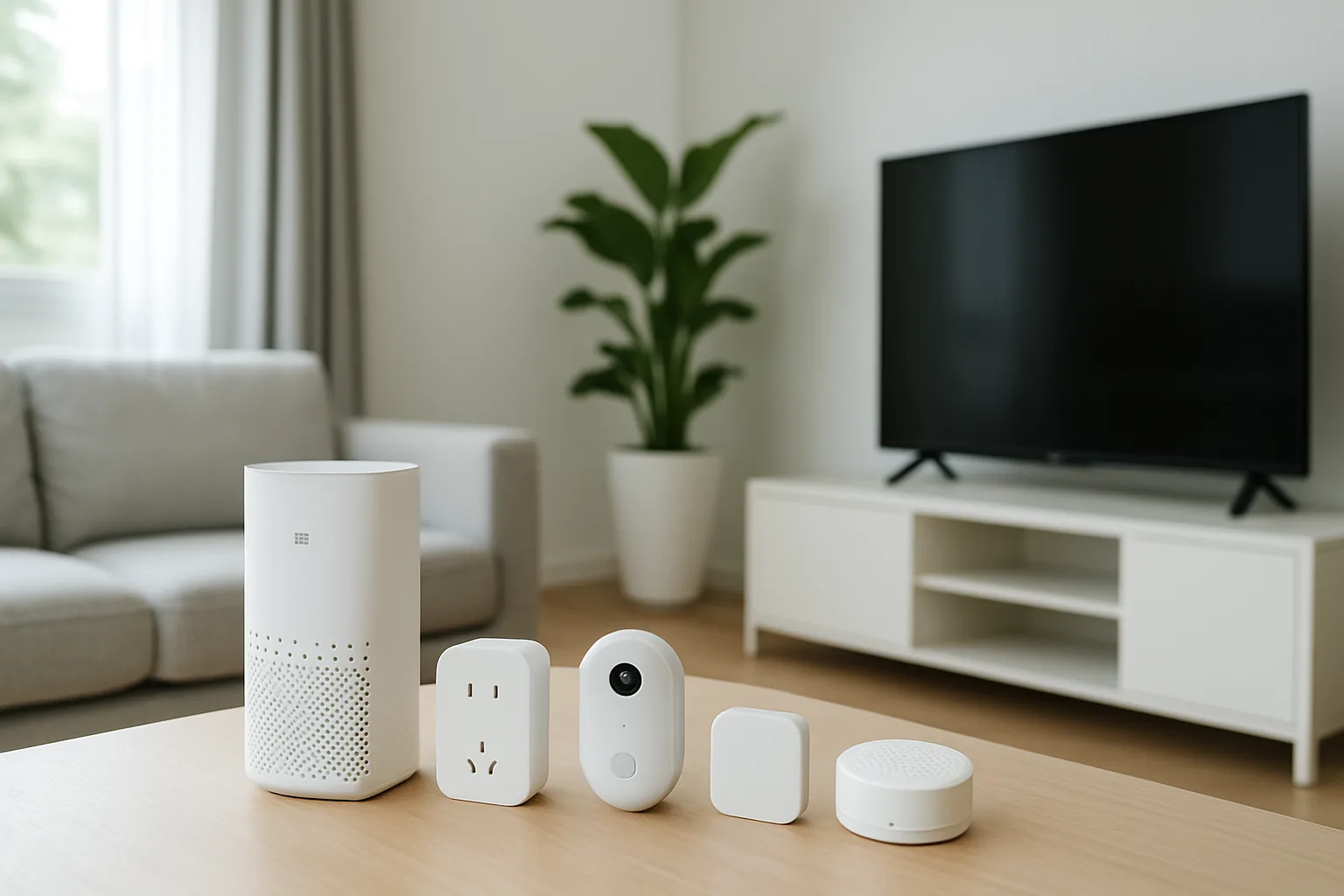
Xiaomi’s cheap motion sensors, door/window sensors, temperature-humidity monitors and smart plugs are the building blocks of a practical smart home — automate corridor lights, get alerts when a door opens, or control a fan and heater by schedule. Best for first-timers assembling useful automations on a small budget.
Pros
- Very low cost per device
- Wide range of useful sensors
- Great for HDB automations
Cons
- Most need the hub for Zigbee
- Individually simple functions
The verdict
Xiaomi is the best-value entry to a smart home in Singapore — start with the hub plus a few Mijia sensors and plugs, then add cameras and an air purifier as your needs grow. Buy from official stores, set the correct app region from the outset, and you will have a dependable, expandable system for a fraction of premium-brand prices.
Frequently asked questions
Is Xiaomi good for a first smart home in Singapore?
Yes — Xiaomi is one of the best starting points because devices are cheap, widely available and share one app. You can build a useful setup for a fraction of premium-brand costs and expand over time.
Do Xiaomi devices work with Google Home or Alexa?
Many do, and an increasing number support Matter, which brings compatibility with Google Home, Alexa and Apple Home. Check each product’s listing, as support varies by device and firmware.
Do I need a Xiaomi hub?
For Wi-Fi devices like cameras, plugs and purifiers, no. But for low-cost Zigbee sensors and reliable local automations, a hub is recommended — it makes the whole system faster and more dependable.
Will Xiaomi devices connect to my Singapore Wi-Fi?
Most use the 2.4GHz band, so ensure your router broadcasts 2.4GHz during setup. Setting the correct app region also helps devices connect smoothly and stay stable.
Where should I buy Xiaomi smart-home gear in Singapore?
Buy from official Xiaomi stores on Shopee/Lazada or authorised retailers for local warranty and smoother app support, rather than grey imports which can have region or firmware quirks. Grey-import devices sometimes end up tied to the wrong server region, which can make them harder to connect or integrate with other gear, so paying a little more through official channels usually saves headaches later.
Related guides
Planning a smarter home?
Tell us your space and budget — we’ll point you to the right devices, or connect you with a supplier.