Reviews are independent. Prices are indicative (SGD) and change often — always check the latest price before buying. We may earn a commission from some links.
Understanding the components of a smart lock — the biometric sensor, keypad, lock body (mortise or rim), motor, battery and connectivity module — makes it far easier to judge which lock is genuinely well built and which just has a flashy spec sheet. In Singapore, where humidity, heat and a shared corridor test every part, knowing what each component does and which brands execute them best helps you buy a lock that lasts. This guide explains the key components of a smart lock and recommends the models that get the fundamentals right for HDB and condo doors.
We focused on brands with proper local installation, warranty and firmware support, because a smart lock is only as reliable as its weakest component and the service behind it. Below, we break down what to scrutinise in each part — from the fingerprint sensor to the emergency power port — and pick the locks whose components are proven, well-integrated and dependable in our climate, with honest trade-offs and realistic SGD budgets.
What to look for in Singapore
- Biometric sensor — a quality capacitive fingerprint reader is the component that matters most day to day, as it must read reliably even with humid, sweaty fingers.
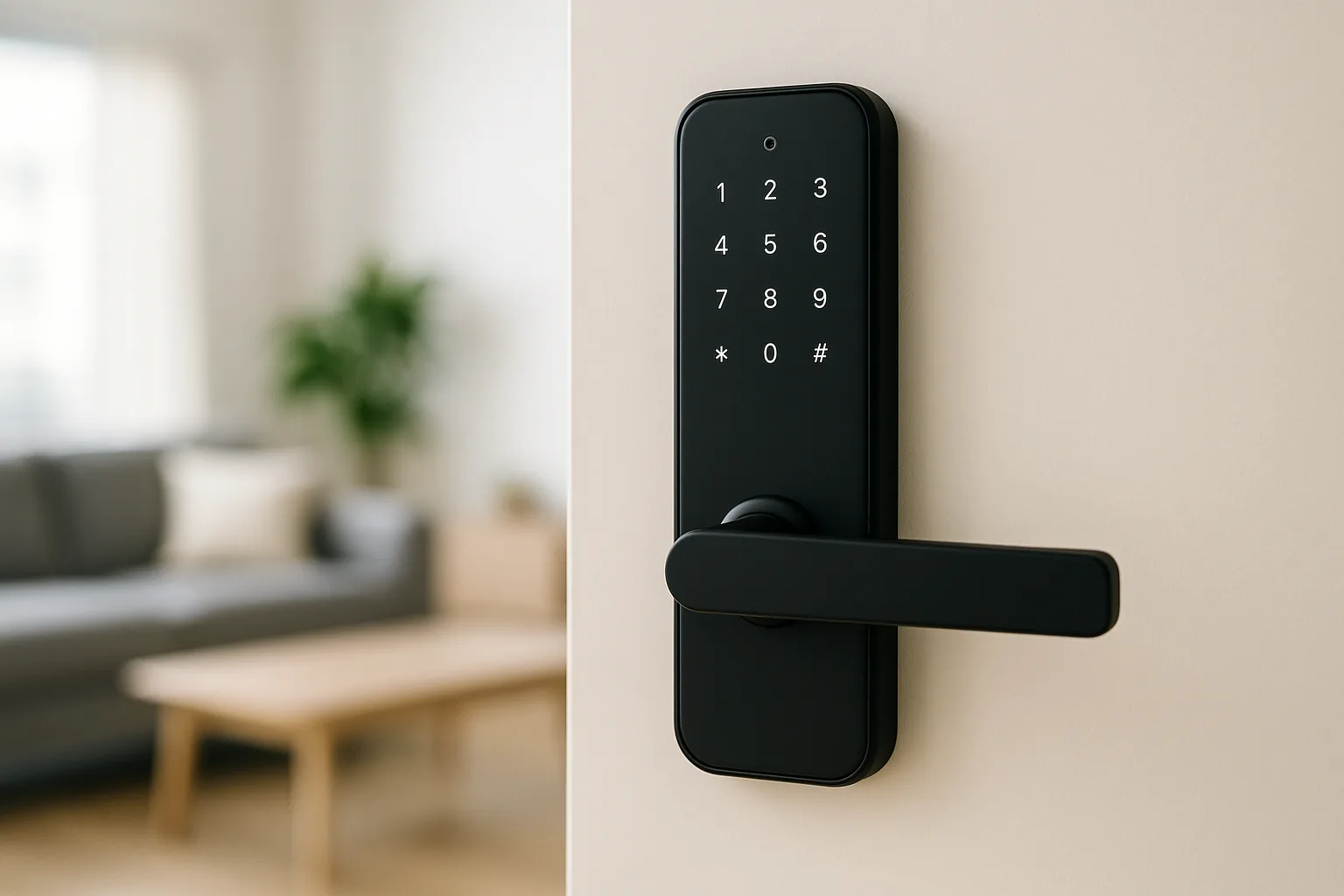
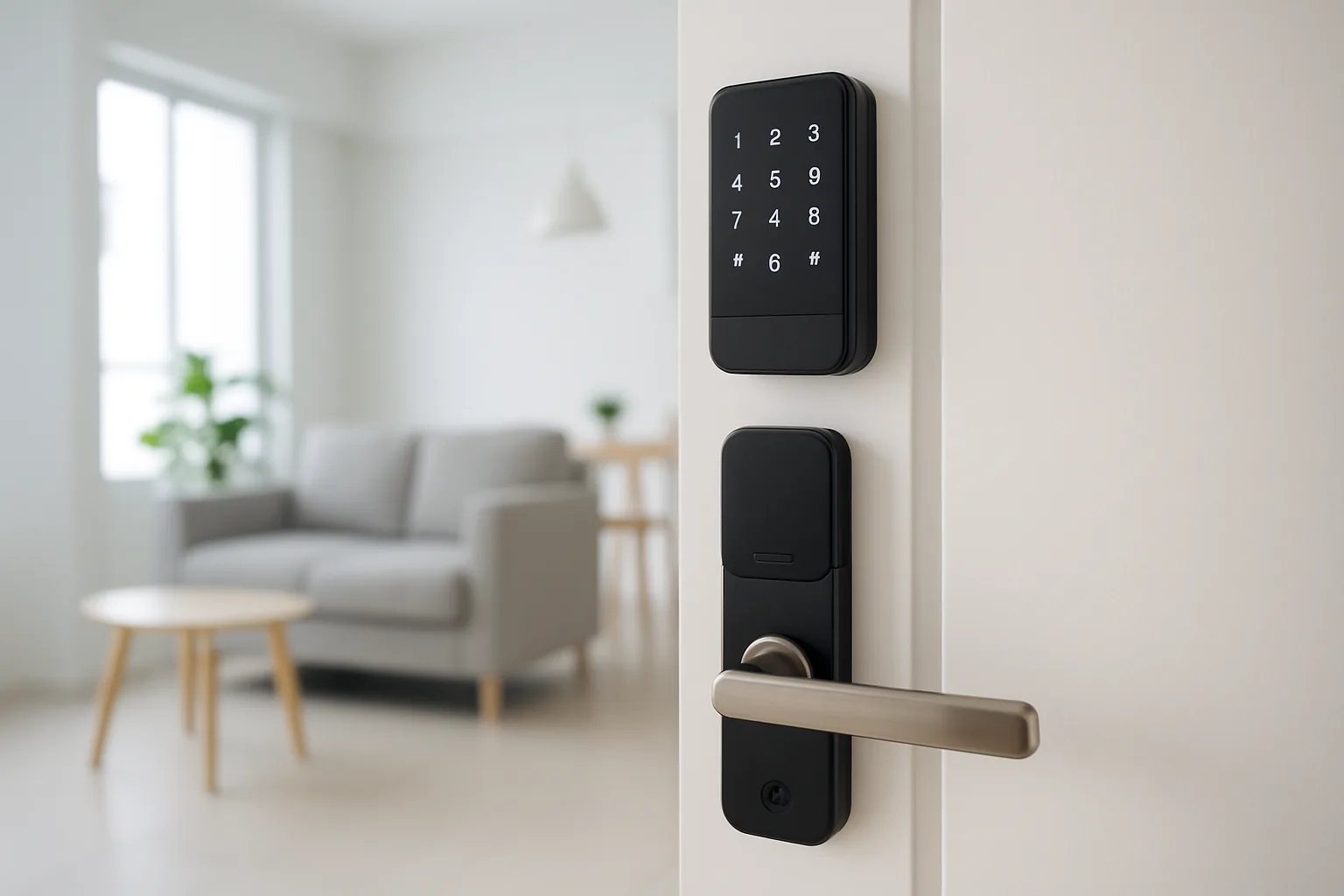
- Keypad — look for an anti-peep, responsive touch keypad that resists corridor dust and wear, since PIN entry is everyone’s fallback.
- Lock body — the mortise or rim mechanism is the security core; match it to your door (mortise for solid main doors, slim rim for HDB gates) and check build quality.
- Motor and gearing — a smooth, quiet motor that drives the bolt reliably is what makes auto-lock dependable over thousands of cycles.
- Battery and power — a large rechargeable or long-life battery with clear low-battery alerts and a USB-C emergency port is essential so components never leave you stranded.
- Connectivity module — decide whether you need Bluetooth, Wi-Fi or Matter/Zigbee, and remember more connectivity means another component to keep updated and secure.
- Backup and safety components — a mechanical key override, tamper alarm and mis-try lockout are the safety net every good lock should include.
- Choose brands (Kaadas, Philips, Yale, igloohome, Aqara) that integrate these components reliably and support them with local warranty and firmware updates.
At a glance
| Model | Best for | Key spec | Indicative price | Rating |
|---|---|---|---|---|
| Kaadas digital lock series | Best-integrated components | Fingerprint + PIN + card + app | $450–$950 | ★★★★★ |
| Philips digital lock series | Premium biometric sensor | Palm-vein/face + PIN, strong motor | $500–$1,100 | ★★★★½ |
| Yale digital lock series | Reliable core components | PIN + card + fingerprint, alarms | $400–$800 | ★★★★ |
| igloohome smart lock | Power + access components | algoPIN, Bluetooth, USB-C | $350–$650 | ★★★★ |
| Aqara smart lock series | Connectivity components | Matter/Zigbee module, app | $300–$700 | ★★★★ |
The picks
Editor’s Choice
Kaadas Digital Lock Series
Kaadas stands out for how well its components work together — a fast, humidity-tolerant fingerprint sensor, responsive anti-peep keypad, a solid mortise body and a smooth, reliable auto-lock motor, all backed by a large battery with USB-C rescue power. No single part is a weak link, which is exactly what you want in a lock you use daily. With wide local support, it is the best-rounded choice for most homes.
Pros
- Well-integrated, reliable components
- Humidity-tolerant fingerprint and solid motor
- Large battery with USB-C rescue power
Cons
- Premium finishes cost more
- Many sub-models to compare
Premium
Philips Digital Lock Series
Philips is where the biometric component is pushed furthest — flagship models use palm-vein or 3D face sensors alongside a strong motor and clean keypad, in a well-built body. If you want the most advanced sensing component and a recognisable brand behind the electronics, this is the standout. Just make sure you will use the premium biometric component you are paying for.
Pros
- Advanced biometric sensor options
- Strong motor and build quality
- Established brand with local warranty
Cons
- Flagship components are expensive
- Advanced sensors exceed many needs
Best for X
igloohome Smart Lock
igloohome shines on the power and access components — a low-power Bluetooth module, long battery life, USB-C emergency power and the offline algoPIN system that generates remote codes without any internet component at all. It is a Singapore brand with local support, making it a smart pick if reliable power and flexible access components matter more to you than exotic biometrics. Pragmatic and dependable.
Pros
- Low-power module, long battery life
- USB-C rescue and offline PIN component
- Singapore brand with local support
Cons
- Fingerprint only on higher models
- Some app unlock is Bluetooth-range only
Best for X
Aqara Smart Lock Series
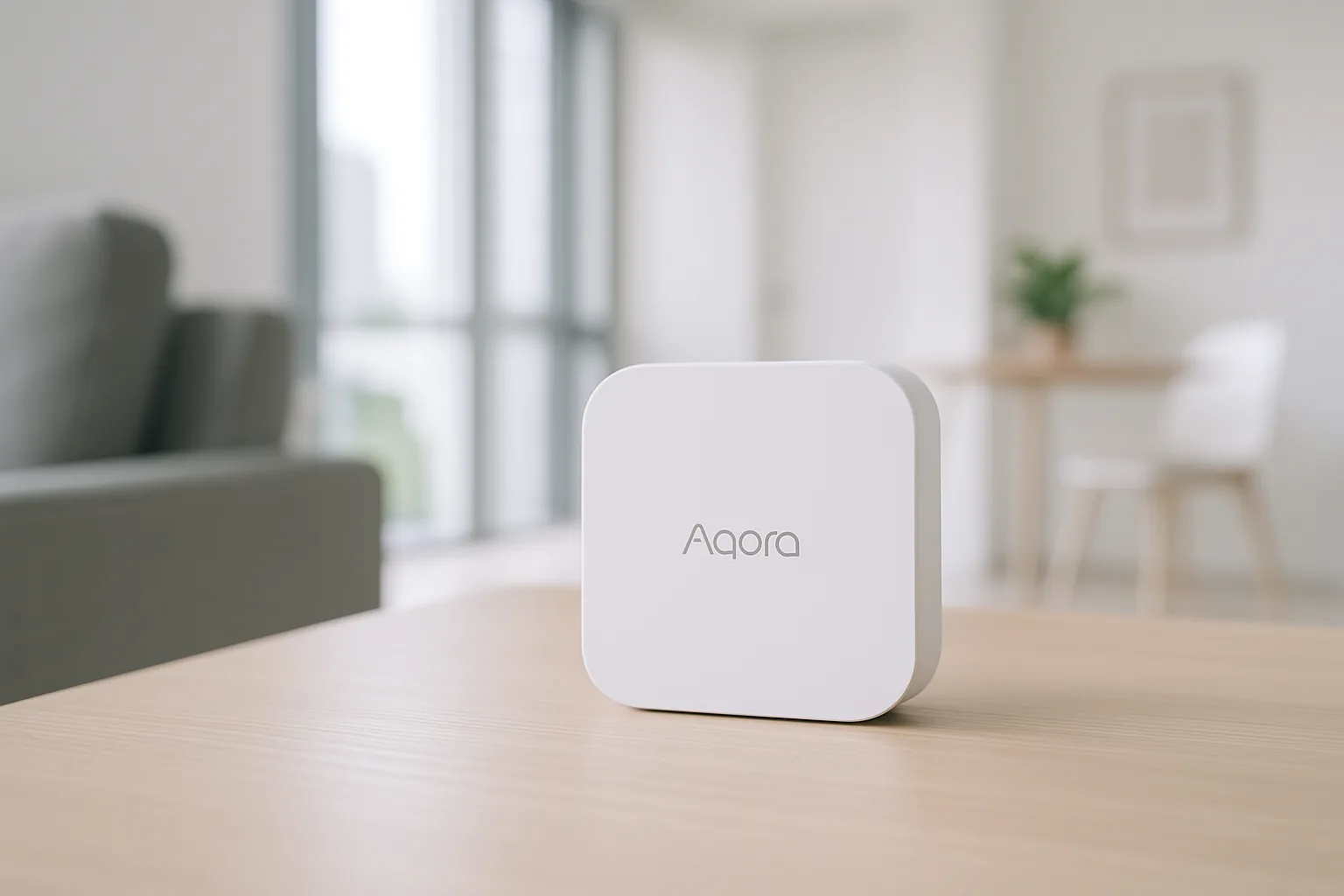
For the connectivity component, Aqara leads with Matter and Zigbee modules that let the lock integrate deeply with a smart home — triggering scenes, reporting status and working with Apple Home, Google Home and Alexa. If the connectivity and integration components are your priority, Aqara is the pick. Confirm the model’s lock body suits your door before buying, as fit varies.
Pros
- Advanced Matter/Zigbee connectivity
- Deep smart-home integration
- Works with major voice assistants
Cons
- Best value within an Aqara ecosystem
- Verify door fit before buying
The verdict
For a smart lock with the best-integrated, most reliable components, Kaadas is the standout all-rounder; choose Philips for the most advanced biometric sensor, igloohome for dependable power and access components, or Aqara if smart-home connectivity is the component that matters most to you.
Frequently asked questions
What are the main components of a smart lock?
The core components are the biometric sensor (usually fingerprint), the keypad for PIN entry, the lock body or mechanism (mortise or rim), the motor that drives the bolt, the battery and power system, and the connectivity module (Bluetooth, Wi-Fi or Zigbee/Matter). Good locks also include safety components like a mechanical key override, tamper alarm and mis-try lockout.
Which component of a smart lock fails most often?
The fingerprint sensor and battery are the components most affected by daily use and our climate — cheap sensors misread humid fingers over time, and batteries naturally deplete. This is why choosing a quality capacitive sensor and a lock with clear low-battery alerts and USB-C emergency power matters, and why PIN and key backups are essential fallbacks.
Do I need a Wi-Fi connectivity component in my smart lock?
Only if you want remote unlocking and entry logs from anywhere. The connectivity component adds convenience but also something to keep updated and secure, and it draws more power. Many homes are perfectly served by a Bluetooth-only lock, while smart-home enthusiasts benefit from a Matter or Zigbee module like Aqara’s for integration.
How important is the lock body component for security?
It is the most important security component, because the biometrics and app are only as strong as the physical mechanism holding the door. Match the body to your door — a mortise lock for solid HDB and condo main doors, a slim rim lock for thin metal gates — and choose a well-built mechanism from a reputable brand fitted by a professional installer.
Can I replace individual smart lock components in Singapore?
Some components like the battery pack are user-replaceable, and authorised dealers can service or replace sensors, keypads and motors under warranty. Buying from a brand with local support means faulty components are repaired or swapped here rather than the whole lock being written off — another reason to avoid unsupported grey imports.
Related guides
- More Smart Home guides
- Best Aqara Smart Lock D200i in Singapore
- Best Igloohome Smart Lock in Singapore
Planning a smarter home?
Tell us your space and budget — we’ll point you to the right devices, or connect you with a supplier.